Peak Season Demand: Why Summer Sends Resources Soaring
The Summer Festival Frenzy
Every summer, the global festival calendar explodes with events large and small, all jostling for dates in the fair-weather months. In Europe and North America especially, the window from May to September is packed with music festivals, cultural fairs, and outdoor concerts. This concentration creates a frenzy: hundreds of festivals vie for the same pool of fans and the same pool of resources. Industry observers have noted a palpable oversaturation of the festival market – by 2026, some regions report “festival fatigue” as fans face an abundance of choices, a trend discussed in Ticket Fairy’s analysis of standing out in an oversaturated season. For producers, this oversaturated season doesn’t just impact ticket sales; it means stiffer competition to secure stages, sound systems, tents, and personnel. In the post-pandemic boom, 2022 was described as potentially the busiest festival summer ever in Europe, illustrating how pent-up demand led to a glut of events all at once.
For organizers asking exactly when is music festival season, the core window typically stretches from late spring through early autumn. In the Northern Hemisphere, the true operational crunch begins as early as late April, but the volume spikes dramatically with the slate of music festivals in May 2026. This May kickoff acts as the starting gun for the industry’s busiest period, meaning any promoter aiming for a mid-summer date must have their infrastructure and crew locked down long before the first spring events open their gates.
This high-season pile-up isn’t confined to festivals alone. Summer 2026 also promises a concert touring boom, with major stadium tours and one-off mega shows adding to the load, as detailed in strategies for festivals to thrive during the concert boom. Festivals now find themselves competing not only with each other but also with world tours and even large sports events for equipment, crew, and venue dates. The net effect is a supply-and-demand crunch across the board during peak season. Seasoned festival producers know that if you’re planning an event in this window, you must assume everything from stages to staff will be in short supply – and plan accordingly.
Equipment Demand Outstripping Supply
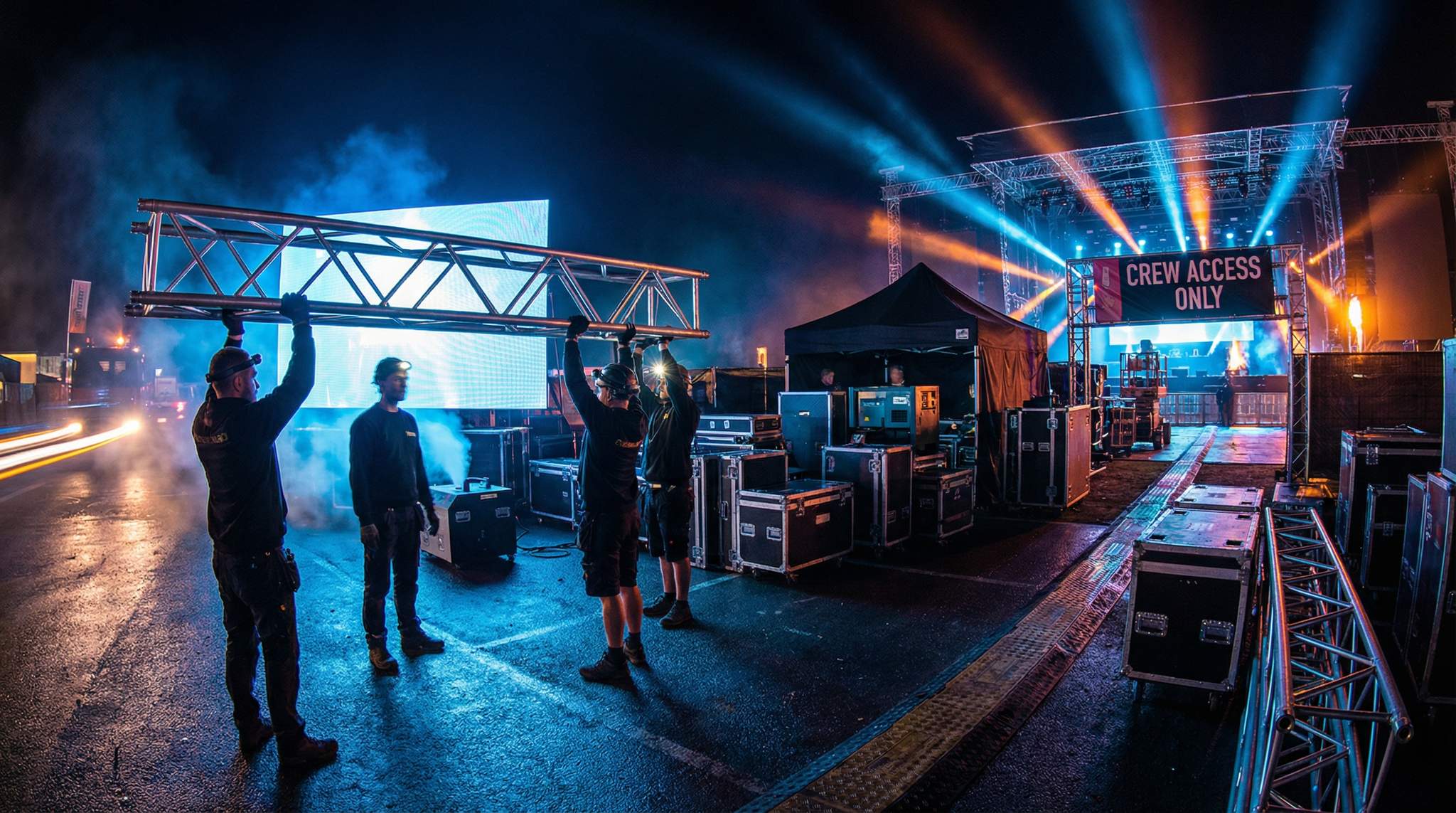
When dozens of events all need stages, lighting rigs, video walls, fencing, and generators at the same time, it puts enormous strain on the supply chain. Specialized event infrastructure vendors (staging companies, AV suppliers, tent providers, etc.) have limited inventory and finite skilled crews of their own. In the summer crunch, those vendors often sell out of equipment months in advance. Festivals that wait too long to book risk hearing, “sorry, no stages of that size left on those dates.” The problem was exacerbated post-2020: many suppliers downsized or closed during the pandemic, so fewer players now serve a booming market. Those that survived face rising costs for materials and transport, which they pass on. According to the UK’s Association of Independent Festivals (AIF), festivals saw 20–30% increases in costs in 2022 as suppliers hiked prices due to labor shortages and materials inflation, a situation highlighted in Pollstar’s report on the supply chain crisis. In practical terms, that means a stage or PA system rental that used to cost £100k might cost £120–130k now – if you can even get one.
Free Tool: Size Your Festival Site
Zoned capacity planning for arena, campsite, parking and entry lanes — against UK Purple Guide and NFPA density standards. Finds your bottleneck zone.
High demand can lead to desperate scenarios. Suppliers may overbook or cancel smaller clients if a bigger payday comes along – a nightmare for any festival. Without solid agreements, a festival could find its tent or video screen “bumped” at the last minute. Veteran organizers recount close calls like a generator provider pulling out one week before showtime to service a larger event. In fact, one leading staging company warned that some festivals “will be canceled… because they don’t find enough material” available in peak season, according to insights from Stageco’s CEO. In one instance, Stageco (a major stage builder) had to turn down a frantic request from a Spanish festival only weeks before its date – every large stage in their fleet was already committed, as reported by Event Planner’s coverage on material shortages. This kind of crunch can be fatal for an event. The cautionary tale of Fyre Festival floats in every producer’s mind: although Fyre’s failure was self-inflicted, it highlighted how lack of proper infrastructure and last-minute scrambles can ruin an event’s reputation. The lesson is clear: in peak season, assume nothing will be available last-minute. Every piece of gear your festival needs must be locked in well in advance, with backup options in place.
The Great Crew Squeeze
It’s not just equipment in short supply – skilled festival crew are also scarcer than ever during the high season. A festival is a temporary city, and it takes a small army of staff and contractors to build and operate it: site managers, stagehands, riggers, lighting and sound engineers, electricians, security teams, medics, vendors, and more. During peak months, that army is stretched across many simultaneous events. The industry’s workforce was further thinned by the pandemic hiatus; when live events paused, many experienced technicians and crew pivoted to other industries for steadier income, as noted in reports on the event industry brain drain. Even as festivals resumed, not everyone returned – one major stage company noted about 14% of its usual seasonal stage-builders didn’t come back after 2020, according to Event Planner’s labor shortage statistics. Similar “brain drain” numbers echoed across security and audio tech firms. The result? A smaller pool of veteran crew and fierce competition to hire them.
Planning a Festival?
Ticket Fairy's festival ticketing platform handles multi-day passes, RFID wristbands, and complex festival operations.
When labor is scarce, crew costs rise. Event staffing agencies report that day rates for seasoned crew jumped significantly by 2022–2023, driven by rising wage demands amid economic pressures. A skilled audio engineer or site electrician can command a premium, knowing multiple festivals need their expertise on the same weekend. For festivals, this means budgeting more for staff or risk losing top talent to better-paying gigs. It’s not only about money, either – scheduling plays a role. Crew who are in high demand will commit early to events that lock in their dates and perhaps offer extended work. A festival that hesitates to confirm its key personnel might find those people have signed on with a rival event or a touring production that overlaps with its dates.
Beyond pay, consider the workload: back-to-back events lead to crew fatigue. A rigger might do a brutal overnight deconstruction at Festival A, drive four hours, then start the load-in for Festival B the next morning. This pace, repeated over summer months, leads to burnout and safety risks. In the UK, for instance, shortages of licensed security personnel became critical – many guards left the industry, and those remaining were overbooked, raising concerns about fatigue and festival safety. Festival producers must navigate this labor crunch carefully: poaching staff at the last minute or overworking the crew you do have can backfire with injuries, mistakes, or no-shows. Experienced producers stress the importance of securing your core crew early and treating them right so they choose your event over others. In the sections below, we’ll explore how to do exactly that, along with strategies to secure physical infrastructure well ahead of time.
Securing Equipment and Infrastructure Early
Identify Your Must-Have Infrastructure
Effective planning starts with a clear inventory of every critical infrastructure element your festival needs. Months (if not a full year) before gates open, festival organizers should compile a detailed checklist of gear and services to procure. This includes obvious big-ticket items and less glamorous essentials:
– Stages and Structures: Stage platforms, roofing, truss systems, support scaffolding, and viewing platforms. (Often provided by staging companies.)
– Tents and Shelters: Large festival tents, marquees for vendors, shade structures, artist dressing rooms, etc.
– Sound and Lighting Systems: High-capacity line-array speakers, mixing consoles, stage lighting rigs, follow spots, LED walls or projectors for visuals.
– Power and Electrical: Generators, load banks, distro (electrical distribution equipment), cabling, fuel supply.
– Site Equipment: Fencing and crowd barriers, entry gates, portable toilets and showers, water refill stations, golf carts or ATVs for staff, and radios/communication devices.
– Miscellaneous Rentals: stages for smaller areas, artist hospitality structures, refrigeration units, forklifts and boom lifts, and so on.
By mapping out all required gear, you can prioritize the most critical and scarce items. For example, a 20-meter festival stage roof is not something you can easily substitute or DIY – there are only so many available. Similarly, large generators (say 500+ kVA units) might be in short supply on a big weekend. Highlight these must-haves as items to secure first. Less critical items (like standard fencing or basic light towers) might have multiple suppliers to choose from, allowing a bit more flexibility. But don’t underestimate any item – even mundane equipment can sell out in peak season. In the UK in 2022, something as basic as portable toilets became a pinch point, because overlapping events meant the same toilet units couldn’t be rotated between festivals as usual, as noted in reports on material shortages. The bottom line is to know your essentials and plan to lock them in.
Free Tool: Project Your Bar Revenue
Per-head spend benchmarks by event type turned into projected bar and food revenue, with a stock-mix estimate and gross-margin line. Free calculator.
Booking Major Suppliers 12+ Months Ahead
For high-demand items and services, the timeline for booking is measured in months or even a year+ out. The biggest festivals often re-book their key infrastructure vendors as soon as the previous edition ends. If your festival is on the same annual cycle, you should be securing quotes and tentative holds 10–12 months before the event. Many suppliers will accept bookings that far ahead, especially for summer, which allows them to plan their inventory and crew assignments. In fact, top staging and production vendors often fill their calendars a year in advance during peak season. A festival coming in late with a request for a main stage in June might hear, “sorry, all our large stages are fully booked that month.” The 2022 season saw unprecedented early bookings – production companies were committing gear to festivals and tours well over a year ahead due to the surge in events.
To illustrate a smart timeline, consider the following rough guide for a mid-size (10,000–30,000 capacity) summer festival targeting a July event date:
Need Festival Funding?
Get the capital you need to book headliners, secure venues, and scale your festival production.
| Months Before Festival | Booking Priorities | Notes |
|---|---|---|
| 12+ months out | Secure main stage & roof system; headline sound & lighting systems; major tent structures; primary generator provider. | Peak summer weekends book up first – lock in the stage, PA, lights, and big-top tents early. Top vendors often allow tentative holds this far out, which you should confirm with deposits by 9–10 months out. |
| 9–10 months out | Confirm secondary stages & sound/lighting for them; book fencing and toilets provider; schedule power distribution equipment. | By end of autumn, aim to have contracts or MOUs signed for all large infrastructure. This is also when many vendors require deposits for summer events. |
| 6–8 months out | Lock in smaller rentals (golf carts, light towers); secure site utilities (water tanks, radios, HVAC if needed); arrange site fencing and barriers if not already. | Many smaller rental companies still need advance notice for peak season. Also, apply for any permits tied to infrastructure (e.g. tent permits) by this time. |
| 3–5 months out | Double-check vendor commitments; order expendables (cables, fuel, lighting gels); rent any last-mile needs (e.g. additional chillers, furniture). | By spring, most large items should be set. Use this window to catch any gaps and confirm delivery schedules with vendors. It’s also time to finalize insurance for all hired equipment. |
| < 2 months out | Avoid needing anything major now. Only minor add-ons or backups (extra radio sets, spare monitors) should be sourced late. | At this stage, pickings are slim. If a critical need arises (e.g. an extra generator), expect to pay a premium or call in favors. Focus on contingency plans for what’s booked. |
This timeline can vary based on region and festival size – a boutique 1,000-person event might not secure vendors a year out, but the principle of early booking still applies. Even small events benefit from starting the vendor search early, because local suppliers might be snapped up by bigger events. If your festival is new or not a top client, reaching out early also shows professionalism and helps you build relationships (more on that below).
One strategy many seasoned festivals use is multi-year contracting. If you’ve found a great staging or AV supplier, consider negotiating a 2–3 year deal to cover multiple editions of your festival. Committing to give them repeat business can incentivize the vendor to reserve equipment for you each year, often at a stable rate. It provides certainty on both sides: you know you have your stage locked in for, say, the next three Julys, and the vendor knows they have guaranteed work. Be mindful that multi-year deals might include escalation clauses (for cost increases) given inflation and demand, but they can still save money and reduce risk overall.
Building Preferred Vendor Partnerships
In a peak-demand environment, having strong vendor relationships can make the difference in getting what you need. Festival organizers who treat vendors as partners – not just suppliers – tend to get priority service. This starts with good communication and professionalism: provide vendors with clear specs and timely information, pay deposits and invoices on time, and foster a positive working relationship on-site. If a vendor knows your event runs smoothly and they won’t have headaches dealing with you, they’ll be more eager to fit you into their packed schedule. Some veteran producers even involve key vendors in early planning meetings to get their input on site layout or technical design. By consulting with, say, your staging company months ahead, you show trust and give them lead time to prepare custom solutions (and they may hold that week in their calendar for you by default).
During high season, vendors inevitably have to choose where to allocate limited gear and crew. Being a “preferred client” can bump your festival to the front of the line. For example, if a limited number of large LED screens are in circulation, the rental company might fulfill orders for their long-time clients first. Loyalty and consistency count – bouncing between vendors year to year chasing marginal cost savings might hurt you if it means no one sees you as a regular client. It’s often wiser to build a long-term partnership with core suppliers. As one industry adage goes, “if you help your vendors prosper, they’ll help you prosper.” This might mean paying a fair rate (not trying to undercut them severely) and acknowledging their value. In return, you may get perks like first pick of new equipment, or a little extra gear thrown in, or a crew that goes the extra mile for you on-site.
Go Cashless With RFID Technology
Enable contactless payments, faster entry, and real-time spending analytics with RFID wristbands and NFC-enabled ticketing for your events.
Negotiation is still part of the game, especially to control costs, but the best negotiations find a win-win. Rather than hammering a vendor’s price down (when demand is high, they likely can’t budge much), consider creative concessions. For instance, flexible scheduling or bundling services can cut a deal. Maybe a staging company gives you a discount if they can handle another event nearby with the same trucks – effectively sharing transport costs between you and the other festival. Or you might negotiate a slightly lower rate by offering to start your build a day earlier or later to fit their logistics (if it doesn’t impact your show). Some festivals also explore off-peak pricing: if your event can use gear for additional days before/after the core weekend (when it would otherwise sit idle), a vendor might charge less for a week-long hire versus a 3-day hire plus separate transit. The key is to discuss these ideas openly. (For more tips on this, see our guide on creative strategies to negotiate festival vendor contracts which covers tactics like bundling and off-season deals.) Good vendors appreciate when you seek solutions that benefit both sides, rather than simply demanding lower fees in a seller’s market.
Owning Gear vs. Renting and Diversifying Supply
One radical way to avoid the rental crunch is to own some of your critical gear. This isn’t an option for every festival – buying stages or sound systems requires significant capital and storage/maintenance year-round. But for large, established festivals with steady sponsorships and funding, investing in infrastructure can pay off long-term. Notably, a festival like Glastonbury owns large portions of its equipment (from fencing to poles and stages) or has them custom-built, so it’s less reliant on external suppliers for those items. Owning gear means you’re not competing to rent it, and you can potentially rent it out to other events when you’re not using it (creating a side revenue and helping smaller festivals). Some independent festival producers form cooperatives to purchase shared infrastructure. For example, a group of regional events might collectively buy a stage or marquee and create a schedule to share it across their event dates, rotating the asset among them. This kind of resource-sharing co-op can reduce each event’s costs and guarantee availability, though it requires high trust and coordination.
If outright ownership isn’t feasible, consider at least diversifying your vendor sources. Don’t put all your eggs in one basket if you have critical needs. For instance, instead of renting all power generators from one company, you might contract primary generators from Vendor A but keep a smaller backup generator from Vendor B on hold. That way if Vendor A has an issue (or overbooks), you have an alternate. Similarly, you might split your staging rental: main stage from one supplier, secondary stage from another. This not only hedges against a single point of failure, but also helps develop relationships with multiple suppliers for future flexibility. The downside is managing more contracts and possibly losing bulk discounts. However, in peak season, redundancy can be worth the extra effort. The cost of having a backup vendor or spare equipment on standby is an insurance policy against a show-stopping shortage. At minimum, even if you work primarily with one vendor per category, identify others who could step in if needed. Many savvy organizers keep a “Plan B” roster of alternate suppliers (we’ll expand on this in the contingency section) in case the original plan goes awry.
Lastly, keep an eye on the global market. In today’s interconnected industry, equipment can sometimes be sourced from farther afield if local availability dries up. For example, if European suppliers are tapped out for a July weekend, a festival might import some lighting gear from a U.S. or Asian provider (shipping costs permitting), or vice versa. Large production companies often operate internationally and can reposition inventory – some festivals in Australia have rented stages that had just been used in the European summer and shipped down under for the Australian summer. These moves are complex and costly, but for critical needs it’s an option to consider. The main point: be proactive, not reactive. Secure what you need as early as possible, explore creative arrangements, and don’t assume the “usual” rental approach will suffice in a high-season crunch.
Building a Loyal Festival Crew for Peak Season
Off-Season Recruitment and Training
When it comes to staffing, the best defense against peak-season shortages is a good offense: start recruiting and training well before the summer crunch. Smart festival producers use the off-season (fall and winter) to build their crew roster and skills. This can mean hosting training sessions, sending key staff to certification courses (like crowd management or rigging safety), or partnering with local schools. For example, some festivals collaborate with universities or trade schools in event management, live sound, or hospitality programs – offering internships or apprentice roles that give students real-world experience while bolstering the festival’s workforce. Not only does this bring in fresh talent, it also fosters loyalty; a student who starts as an intern in March may become a paid crew member by July and a core team member in future years.
Another tactic is widening the recruitment net beyond the “usual suspects.” If your region’s typical festival labor pool is stretched thin, look to adjacent industries and untapped groups. Experienced producers have had success recruiting from theater production crews, film/TV grip and electric departments, community volunteer organizations, and even construction trades. For instance, stage hands and carpenters might be found among local theater techs or high school drama teachers on summer break. Retired military or police can be excellent logistics and security leads. Don’t underestimate passionate fans either – some festivals run crew scouting events or online campaigns to find dedicated attendees who want to work behind the scenes. (Of course, you must vet skills for critical roles, but enthusiasm and a bit of training can go a long way for many support positions.) The key is to start the outreach early and cast a wide net. An innovative recruitment strategy in a tight labor market is essential, utilizing innovative recruitment and retention strategies and partnering with schools and universities: the more sources you draw from, the better your chances of filling every role by festival time.
Turn Fans Into Your Marketing Team
Ticket Fairy's built-in referral rewards system incentivizes attendees to share your event, delivering 15-25% sales boosts and 30x ROI vs paid ads.
It’s also worth considering the balance between volunteers, gig workers, and full-time staff. Many festivals begin as volunteer-driven operations, but as they grow, relying solely on unpaid help or last-minute gig labor can become a liability. If your festival has grown in size or complexity, it may be time to add year-round staff or core seasonal roles to ensure continuity. Transitioning from an all-volunteer crew to a mix of paid professionals and volunteers can elevate reliability. For example, hiring a full-time operations manager or site coordinator who works year-round means someone is consistently planning crew needs and can train newcomers well ahead of the event. (As discussed in our article on when to hire year-round festival staff, certain key positions are worth the investment to maintain quality and institutional knowledge.) These core team members become the anchors who can then lead larger temporary teams during the festival.
Incentives to Retain Your Best People
Recruitment is only half the battle – retention of skilled crew is the other half, especially when dozens of other events are trying to lure them away. To ensure your festival isn’t left understaffed, you need to make working for you attractive and cultivate loyalty. Competitive pay is the most obvious incentive: if you know competitors are paying, say, $25/hour for stagehands, consider matching or exceeding that, or offering a project fee that equates to a better daily rate. Money isn’t everything, but in a labor crunch, underpaying virtually guarantees your crew will jump to another gig. Keep an eye on industry wage trends and be prepared for higher rates during peak months – a bit of budget reallocation to crew wages can save you from a last-minute scramble when someone quits for a better offer.
Beyond pay, think about perks and benefits that festival crews appreciate. Simple things like providing three solid meals a day, plenty of snacks and water, and decent crew amenities go a long way. A crew lounge with shade and fans (or heaters in chilly weather), comfortable chairs, and a place to relax off-duty shows you value their comfort. Some festivals partner with sponsors to give crew free merchandise, goodie bags, or massages at the end of a long build day. Others offer travel stipends or arrange free transport to the festival site (especially important if your festival is remote). If you have the budget, even partial health benefits or a stipend for healthcare for seasonal staff can set you apart as an employer of choice.
A proven strategy to retain top talent is creating a sense of advancement and community. Let your crew know that great performance can lead to bigger roles in future editions – perhaps a volunteer can become a paid coordinator next year, or a stagehand today can be a stage manager in the future. Seasoned festival organizers make a point to recognize and promote from within, giving people a reason to stick with the event long-term. Recognition is huge: shout-outs in post-event communications, “crew of the week” highlights, or an appreciation party after the festival can build team spirit. Some festivals even have crew loyalty programs (like a points system for each year worked, redeemable for extra merch or privileges) to celebrate returning staff.
One creative incentive some events use is offering bonus pay or priority re-hiring for returning crew. For example, if a crew member worked last year and is invited back, they might get a 10% pay bump or first pick of their preferred role/schedule. This rewards loyalty and encourages folks to keep your festival on their calendar each year. Additionally, timely payment is an often overlooked but critical factor. Nothing sours a crew relationship faster than late payments. Aim to pay your contractors and staff promptly (some festivals even pay at the end of the festival weekend for gig workers). A reputation for reliability in pay and treatment will spread – in a good way – and make top freelancers want to work with you, even if other events call.
Avoiding Burnout and Scheduling Smartly
During peak season, many crew members are working event after event. As an organizer, you must proactively guard against burnout – both for humanitarian reasons and because a burned-out crew won’t perform well (or might quit on you mid-event). Compliant scheduling and ample rest are non-negotiable. First, know and obey labor laws regarding work hours, overtime, and required breaks. It’s common sense and legally mandated in many places: if someone has worked a 16-hour shift one day, you shouldn’t schedule them early the next morning without adequate rest. Experienced festival producers create crew schedules that include buffer days and swing teams to cover long runs. For instance, if your site build is a 24/7 push in the final days, organize two or three shifts and rotate crews so no one works more than 10-12 hours straight. Yes, it might mean hiring a few more hands, but it’s far safer and more sustainable. (Remember, violating labor laws can lead to fines or shutdowns – one more reason to handle this by the book, especially when wage expectations are high.)
Free Tool: Will the Room Actually Be Full?
Forecasts expected attendance from ticket type, event type and day of week. Calculates safe over-book count for free-RSVP events. Free estimator.
Preventing burnout goes beyond just hours worked. Foster a culture where rest and wellness are encouraged. Make sure crew know they can speak up if they’re exhausted or need a break – and empower team leaders to rotate people out. Provide adequate days off during the lead-up if it’s a long build. For multi-day festivals, consider having backup personnel to tag in for someone who’s getting wiped out by day 2 or 3. Some festivals now schedule a “slow morning” after the first long show day, where non-essential work is delayed an hour so crews can recharge a bit. Little adjustments like this can prevent accidents and keep morale up.
Supporting crew mental and physical health is critical, especially under high stress. Ensure there are basic first aid supplies for crew, and ideally a medic or wellness officer keeping an eye on staff as well as attendees. Provide sunscreen, earplugs, work gloves, and other protective equipment so crew aren’t wearing themselves down or getting injured unnecessarily. Enforce meal breaks – even when everyone is busy, no one can run on empty. Some veteran production managers intentionally schedule slightly more staff than needed for critical departments (lighting, staging, etc.) during peak periods, so there’s bandwidth for breaks and no single person feels indispensable or stuck. As one guide on preventing staff burnout notes, simple policies like mandatory breaks and limit on back-to-back shifts dramatically improve retention and safety. A festival that cares for its crew will earn their loyalty, meaning those crew are more likely to sign on next year even if other gigs beckon. And in the immediate term, a rested, focused team will simply do better work, helping your event run smoothly.
Utilizing Volunteers and Local Support
Volunteers have long been a backbone of festival operations, and in a high-demand season they can be a lifesaver – if managed well. While most critical roles (e.g., electrical, security, stage ops) should be handled by professionals, volunteers can fill many supplementary roles: gate check-in, info booths, artist hospitality runners, merch sales, cleanup crews, and more. In a labor crunch, expanding your volunteer program can help cover gaps when paid crew are scarce or over budget. For example, instead of hiring 50 paid staff for waste management, you might hire 10 leads and recruit 40 volunteers to work in shifts under their supervision. This can free up budget and paid crew for other technical areas.
However, volunteers are not “free labor” – they require careful recruitment, training, and motivation. To attract quality volunteers during peak season (when they may have plenty of other festival or summer plans to choose from), you need to offer appealing incentives and a positive experience. Common incentives include a free ticket (after completing a certain number of work hours), free meals during shifts, exclusive volunteer-only merchandise or T-shirts, and access to a relaxed volunteer camping area. Some festivals up the ante with perks like a thank-you party with a dedicated DJ set, or a certificate/recommendation letter for those who need professional references. Highlighting the unique experience – “see behind the scenes, gain event experience” – can also draw in younger volunteers looking for careers in events. Engaging local community groups (sports clubs, nonprofits, student organizations) by offering donations or fundraising opportunities in exchange for volunteer teams is another strategy. For instance, a local charity might provide 20 volunteers to staff the parking lots, and the festival makes a donation to that charity as a thank-you. This way, the volunteers have a cause and additional motivation to do a good job.
It’s crucial, though, to assign volunteers appropriately. Do not put untrained volunteers in positions that could compromise safety or require technical skill (like operating heavy machinery or doing electrical work). Use them to augment and support the core crew. And remember that volunteers can be less predictable – some will drop out last minute or not show up. Plan for about a 10–20% no-show rate based on industry averages, and recruit extra to compensate. Also, invest in training your volunteers: provide clear orientation materials, on-site training sessions, and supervision by experienced staff. A well-run volunteer program can significantly ease the strain on paid crew and budget, but a disorganized one can create more headaches than it solves. For more detailed guidance on structuring these programs, check out our guide on building a successful volunteer program which, while venue-focused, offers universally useful tips on volunteer coordination and community engagement.
Embracing Tech and Flexibility in Staffing
When human resources are stretched thin, technology can pick up some slack. Festivals in 2026 are increasingly using automation and smart tools to reduce labour needs. For instance, some events deploy AI-powered monitoring cameras for perimeter security, reducing the number of patrol staff needed (and those remaining can focus on response rather than watching fences). Cashless payment systems and mobile ordering can cut down the number of cashiers required at food and beverage stalls, as transactions are faster and require fewer staff to handle money (plus, you don’t need to hire as many cash office personnel). Even in production, there are innovations: lighting consoles can run pre-programmed sequences that require less operator time, or networked A/V systems can be monitored by one technician from a central node rather than multiple techs running around to each tower, helping with talent budgeting and integrating with a music festival ticketing system. While tech won’t replace crew entirely, it can alleviate pressure. For example, RFID scanning at entry gates can speed up entry with fewer staff compared to manual ticket checkers. Some festivals are experimenting with autonomous equipment like robotic lights or even drone-based video systems that need smaller teams to operate.
Boost Revenue With Smart Upsells
Sell merchandise, VIP upgrades, parking passes, and add-ons during checkout and via post-purchase emails. Increase average order value by up to 220%.
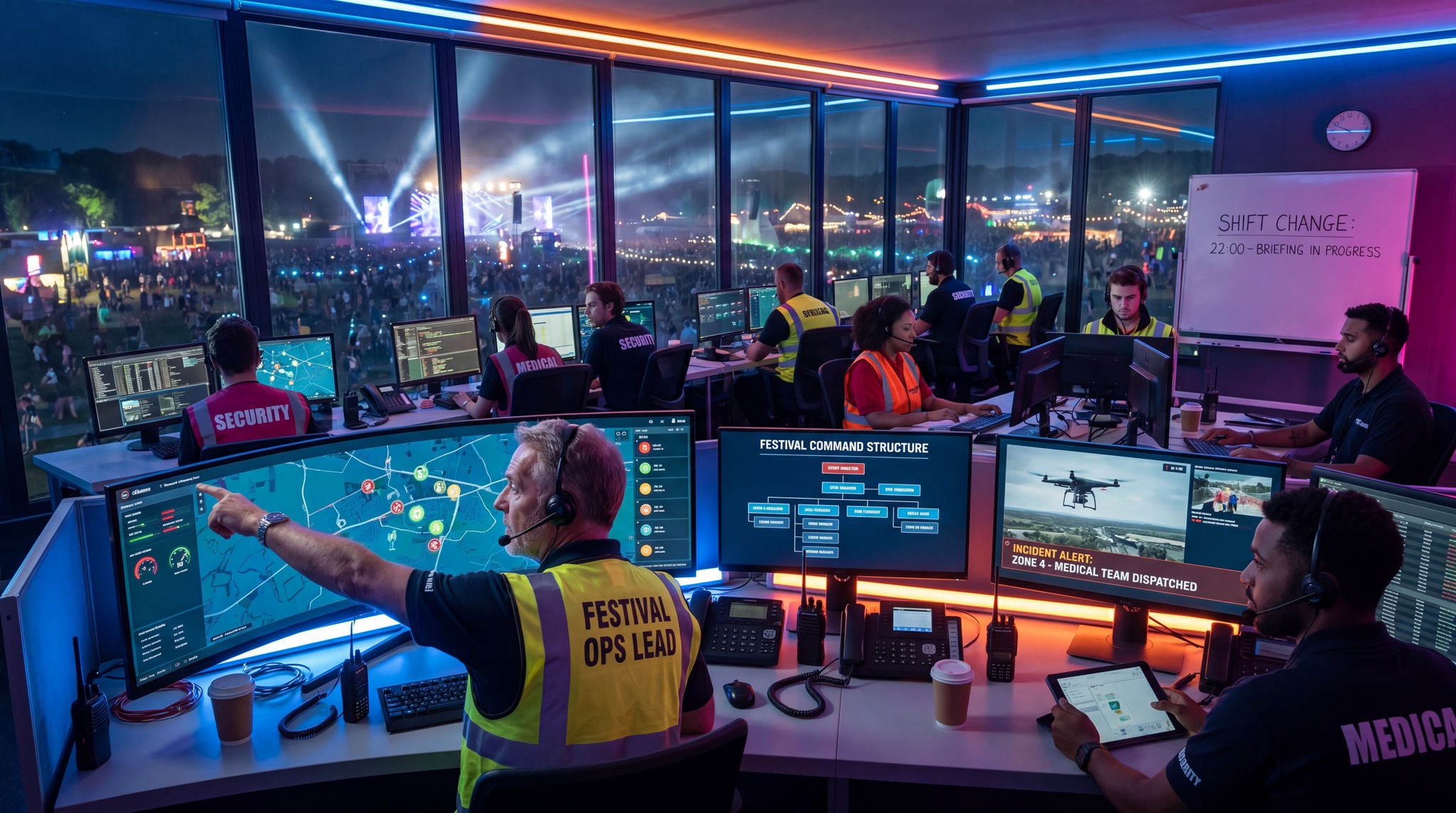
Beyond entry gates and vendor stalls, technology is revolutionizing how organizers handle festival crowd safety and staff coordination manual tasks in 2026. Historically, managing security deployments, tracking incident reports, and coordinating medical responses required constant radio chatter and physical clipboards. Now, digital incident management platforms and GPS-enabled crew radios allow operations centers to automate these manual coordination duties. By digitizing crowd safety protocols, your limited security personnel can focus on active crowd monitoring and rapid response rather than filling out paper logs or physically running messages across the site.
The key is to adopt technology strategically, targeting the chokepoints where staff are hard to find or very costly. If trained security guards are scarce, invest in better CCTV and communication tools to allow one guard to effectively oversee a larger area. If qualified sound engineers are overbooked, perhaps use a professional to tune the system in advance and then let a reliable assistant operate under supervision with remote support. Crew management software is another indirect aid – by efficiently scheduling and communicating with staff, you reduce confusion and last-minute mishaps that often require extra hands to solve. A centralized crew scheduling app can prevent accidentally double-booking someone into two roles or missing a shift change, problems that otherwise force you to scramble for replacements.
Finally, flexibility is a virtue. Cross-train your team where possible so people can wear multiple hats. In a crunch, the more versatile your staff, the easier it is to adapt. Perhaps your lighting tech can also run basic audio, or your site build crew has a forklift license among them. Identify these additional skills and have them in your back pocket. Also, be open with your crew about the challenges – if they know you’re doing everything to treat them fairly and you still come up short-handed, many will step up and go above-and-beyond for the sake of the show (as long as it’s safe). Just be sure to show your appreciation and not make a habit of over-relying on heroics. The goal is a well-planned, well-supported team that doesn’t need emergency heroics to save the day.
In summary, to navigate the peak-season labor crunch: start early, cast a wide net for talent, take care of your crew, and have backup help through volunteers or technology. A loyal, well-prepared team can be your festival’s most valuable asset, ensuring that even if equipment issues arise, you have capable people ready to tackle them.
Sharing Resources with Other Events
Partnering with Fellow Festivals
In the ultra-competitive summer season, it might seem counterintuitive to collaborate with events that are technically your “competition.” But many savvy festival organizers find that partnering with other festivals can be mutually beneficial, especially when it comes to sharing scarce resources. An ethos of cooperation – where schedules and resources are coordinated – can help multiple events thrive rather than undercut each other. For example, independent festivals in the same region or genre sometimes form informal alliances to avoid stepping on each other’s toes for critical needs. If two festivals are a week apart, they might communicate and plan to share certain rentals sequentially: Festival A uses a stage or lighting rig one weekend, then it’s quickly transported to Festival B for the next. By jointly hiring the equipment for a longer period, they secure it for both events (often at a better rate than two separate short hires) and ensure neither is left searching at the last minute.
Such timing coordination requires trust and precise logistics, but it can be highly efficient. In Europe, there are cases of festivals literally handing off infrastructure: one festival’s closing night is the kick-off for trucks to move gear overnight to the next festival site. Major production vendors like Stageco and Live Nation’s teams routinely support back-to-back events, effectively touring festival setups from one site to another throughout the summer, noting that a shortage of staff is a critical bottleneck and that setup times for large stages are often too short. If you’re an independent event, you can mirror this by reaching out to festivals in your area (or within trucking distance) and discussing a resource-sharing plan. It helps if the festivals are not on the exact same dates, of course. Some festivals even deliberately schedule on adjacent weekends to facilitate sharing – for instance, two Canadian fests might agree one will happen in late July and another in early August, using much of the same staging and lights, splitting transport costs. This strategy can make mid-size festivals more competitive by giving them access to top-tier production that would be too expensive to rent solo for a single weekend.
There’s also the angle of sharing information and contacts. Festivals in non-conflicting markets sometimes form consortia to share their lists of reliable vendors or crew. For instance, if you run a festival in New Zealand and have a great relationship with a staging company, you might introduce them to a festival in Singapore that happens at a different time of year, creating goodwill both with the vendor (new business) and the fellow festival (solution to a need). Likewise, festivals can share crew pools: a group of events might maintain a joint database of trusted freelancers who are interested in festival work. They coordinate to ensure those crew can move from one event to the next with some breaks in between, providing more steady work for the crew and a consistent talent pool for the festivals. This cross-event crew network can also be a fallback if one festival suddenly needs extra hands – they can call someone who worked at their friend festival the prior weekend.
Group Purchasing and Bulk Deals
There is power in numbers. Festivals can leverage collective bargaining to secure resources in peak season by forming buying groups or associations. If multiple small festivals band together to approach a major equipment supplier, their combined order might be large enough to get the supplier’s attention (and a better price or priority). This is essentially the model of industry associations like the Association of Independent Festivals (AIF) in the UK, which has facilitated joint procurement deals for its members. By aggregating demand – say 10 festivals all need eco-friendly portable toilets – a supplier might be willing to allocate inventory to that block of events first, knowing they represent significant business. Sometimes these deals also come with cost savings that can be critical when high-season prices are surging.
Even without formal associations, you can initiate bulk negotiations. Perhaps you know two other promoters in your country who also need LED screens in August. Approach the rental company together with a proposal to book a package of screens for all three events, with staggered delivery. The vendor might prefer locking in multiple jobs in one agreement rather than three separate negotiations, and thus give a slight discount or guarantee availability. This approach can also work with suppliers like fuel providers, tent companies, or security firms. It goes beyond equipment – festivals have collaborated on bulk buying of supplies like wristbands, RFID chips, or even insurance policies. During times of scarcity, any “bulk” commitment you can offer a vendor makes you more attractive as a client compared to one festival requesting one-off service.
Be mindful that group deals require alignment of needs and transparency between the festivals involved. You’ll want to ensure all parties are clear on who is responsible for what portion of costs, what happens if one event cancels, etc. A written Memorandum of Understanding between festivals can outline these points when doing joint contracting. By formalizing the partnership, you reduce risk and ensure that the cooperation remains positive. The last thing you want is a falling-out with a fellow festival mid-season – that benefits no one. But when it works, bulk and group purchasing can be a game-changer for small and mid-sized events, giving them the purchasing clout of a major festival and ensuring their collective needs are met even in a tight market.
Sharing Crew and Expertise
In addition to physical equipment, consider sharing human resources. Crew-sharing arrangements can alleviate shortages by pooling talent. For example, if two festivals are a month apart, an electrical technician or production manager might be employed to work both events on a sequential contract. The festivals coordinate to perhaps share the cost of a visa or flight for an international specialist, making it viable to bring them over. This happens informally all the time: a talented site manager might finish Festival A and then drive to lead the build at Festival B, having been recommended by the first organizer. By formalizing this – essentially agreeing with another festival to “trade” or share key personnel – you can ensure critical roles are filled with trusted people. It provides more stable employment for the crew member as well, which can make your offer more enticing than a single short gig.
One emerging idea is creating a regional crew co-op or hiring hall for festival workers. Similar to a union hiring hall model, festivals in a city or region might maintain a shared roster of stagehands, medics, or stewards who are essentially “on call” for any event in that network. They get a steady stream of work across events, and the events get access to a labor pool that is pre-vetted and somewhat standardized in training. During peak season, this co-op can prioritize allocation so that all member festivals get at least a baseline of skilled workers. It’s an approach that requires collaboration and perhaps a third-party coordinator, but it’s gaining traction in some areas facing acute staff shortages.
Festivals can also share expertise and creative solutions to resource challenges. If you’ve found a great solution for sourcing power or a clever schedule hack to get an extra day of setup, sharing that knowledge with peers (perhaps at industry conferences or through direct communication) helps the whole community. Remember, while you might be competing for attendees or headlines, when it comes to safety and the basic execution of festivals, a rising tide lifts all boats. There’s a strong camaraderie among many festival producers – they lend each other stage decor, or swap supplier contacts, or even come to help on-site if one event is in trouble. During the COVID-19 pandemic pause, these networks strengthened as everyone was in the same boat. Now in the busy years that follow, those networks can be turned toward mutual success. Don’t hesitate to reach out to fellow organizers for help. You might be surprised – the gear or crew you urgently need could be available from someone who just wrapped their festival the week before, and they’ll gladly rent or lend it to you rather than see it sit idle.
Contingency Planning for Equipment and Crew Failures
Always Have Backup Options Lined Up
Even with the best advance planning, things can go wrong. A supplier might have an internal issue (equipment failure, logistics breakdown) or a key crew member could drop out due to illness. High season stress can make these incidents more likely, so robust contingency planning is a must. The core principle is redundancy: for every critical item or role, try to have at least one backup in mind. This could mean identifying a substitute vendor, keeping spare equipment on-site, or having an on-call list of personnel ready to step in. Wise festival organizers “never put all their eggs in one basket”, a strategy emphasized in guides on festival supply shortages and procurement backup – they maintain a list of alternate providers and backup plans.
Begin with your vendor list. For each essential supplier, pre-select a backup. If your main generator supplier falls through, who is the next phone call? If the staging company has an accident transporting your stage, is there a smaller local stage you can assemble as Plan B? Research and build relationships with these alternates in advance. You might even pay a small retainer to a backup vendor to be on standby, especially for things like power, medical, or water supply where failure is not an option. Some festivals negotiate “secondary supplier” agreements – a minimal fee or understanding that a vendor will jump in if called. It may cost a bit extra for that peace of mind, but consider it a form of insurance.
Speaking of insurance, check your event insurance policy for provisions around supplier failure. Standard event cancellation insurance might cover you if a critical supplier no-shows and you have to cancel or delay, but the coverage varies. If it’s not covered, you may look into additional coverage for supplier non-performance. However, insurance payout doesn’t solve the immediate problem of keeping the show going for fans – that’s where having a backup vendor ready is vital. Keep an updated contact sheet of all local rental companies, big-box stores, or even farms (sometimes local farms have generators, tractors, water trucks you could repurpose in an emergency). In a crunch, festival producers have sourced bizarre backups like carnival stages, circus tents, or flatbed trucks to use as makeshift stages when the real stage was rendered unusable. Creativity and quick action come easier if you’ve brainstormed these scenarios in advance.
Let’s illustrate with a quick contingency matrix, outlining some common failure scenarios during peak season and how to mitigate them:
| Potential Issue | Probability (Peak Season) | Impact if Unresolved | Preparedness Measures |
|---|---|---|---|
| Main stage supplier falls through | Low (if contracted, rare) | Catastrophic – no main stage | Line up a backup stage supplier months ahead; design a flexible stage setup (e.g., combine smaller platforms if needed as a plan B). Ensure contract has penalties/insurance for no-show. |
| Generator breakdown or power shortage | Medium (equipment can fail) | High – show could halt | Keep a spare generator on-site or on standby rental. Have electrician crew ready to reroute power. Stock extra fuel and critical cables. Notify a local generator hire company of your event dates in case of emergency call. |
| Key crew lead (e.g. production manager) unavailable last-minute | Medium (illness or conflict) | High – coordination suffers | Identify deputies for all key roles. Cross-train assistants who can take over in a pinch. Maintain a network of freelance production managers who could be flown in or brought on with short notice. Keep documentation of plans so someone new can get up to speed quickly. |
| Security staffing falls short | High (industry shortage) | High – safety/security risk | Contract with two security firms in tandem (primary and supplementary). Engage local off-duty police or hire a second tier of trained stewards/volunteers to support. Prioritize essential security posts, and be prepared to close non-critical areas if you truly can’t fully staff the whole site. |
| Essential supply runs out on-site (e.g., water, fuel, ice) | Medium (demand spikes in heat) | Medium – attendee experience/safety dips | Stockpile a buffer supply (10–20% extra) of water, fuel, and ice beyond forecast. Have contacts for local suppliers or stores; for example, know which nearby gas station or supermarket could supply extra on short notice. Assign a runner team for emergency supply runs. |
The above are just a few scenarios. As an exercise, gather your team and brainstorm all the “what ifs” – what could jeopardize the event if it failed, and what would we do? This should cover equipment failures, no-shows, weather events, medical emergencies, and so on. For each, develop at least a skeleton contingency plan. The process might reveal simple preventive steps too, like renting one extra tower light in case one goes down, or arranging a backup EMS crew via a neighboring town’s ambulance service that can be called in.
Stockpiling Critical Supplies
In peak season, resupply can be hard – if you run out of something, local stores might also be sold out (especially if multiple events in the area are tapping the same sources). For that reason, building an on-site reserve of essential consumables is highly recommended. Identify which supplies are mission-critical and could cause big issues if depleted. Common ones include:
– Fuel: If your generators run on diesel, keep an extra fuel trailer or a reserve tank. Calculate your expected use and then have 10–20% extra on hand. Fuel delivery schedules can be disrupted during busy summer weekends or if roads are jammed, so don’t rely on just-in-time refills.
– Water: In summer, water is life. If you have water tankers or rely on a vendor for potable water, consider renting an additional small tanker to park on-site as backup. Some festivals purchase pallets of bottled water or large jugs as an emergency supply. That way if your contracted water supplier can’t meet a sudden spike in demand, you have a buffer to distribute to attendees and crew.
– Electrical and Lighting Spares: Have extra cables, connectors, lamps, and distro equipment. A box of spare bulbs or an extra amplifier could save a stage if something blows. Likewise, a spare small generator (even a 5 kW portable) can provide temporary power to a critical area if a distro leg fails.
– Misc. Hardware and Supplies: stock some basic construction materials (lumber, zip ties, gaff tape – the holy trinity of festival fixes), and crucially, plenty of two-way radio batteries and charging stations. Losing comms because of dead radios is avoidable by simply having extra batteries charged and waiting.
– Medical and PPE: Ensure extra first aid supplies, sunscreen, earplugs, and PPE gear for staff. If a particular illness like norovirus or COVID is going around, having some test kits or PPE stock could be prudent.
Yes, buying or renting extra stock adds cost, and you might end up not using some of it. But anything unused can often be stored for the next event (non-perishables) or even returned in some cases. Think of it as a contingency budget allocation. Many experienced producers allocate at least 5–10% of their budget specifically for contingency and overages – some of that can be in the form of pre-positioned supplies, and some held as cash to deploy on unexpected needs. The peace of mind from having a safety buffer is worth the expense. It turns potential show-stoppers into minor hiccups since you can respond immediately on-site, rather than scrambling to find a vendor who can deliver something same-day (which, if even possible, will cost you a premium and time).
Emergency Crew and Decision Plans
Just as you keep spare equipment, have a plan for extra human resources in a pinch. Earlier we discussed maintaining a network of on-call crew or volunteers who could fill last-minute roles. In practice, this might mean having a few “floaters” or swing staff on your team – people with general skills who aren’t assigned to one task, but can plug holes as needed. For example, an extra site runner or production assistant who can step into a box office role or drive to pick up supplies, etc. Similarly, if you anticipate any role is on the edge (say you got 8 licensed security guards but really need 10), arrange for a couple of folks with the necessary license to be on standby. Sometimes local staffing agencies can provide temp workers with short notice, but brief them in advance about the possibility so they’re primed.
An important aspect of contingency planning is empowering your team to act fast when an issue arises. In the heat of an event crisis, you don’t want people paralyzed waiting for approvals while the clock ticks. Establish clear protocols such as: “If X happens, person Y has authority to spend up to $Z or call in backup.” For instance, if a vendor is a no-show on event day, your operations director might be pre-authorized to rent whatever is available from the nearest source, up to a certain cost, without needing the festival director’s sign-off on the spot. Define these emergency powers ahead of time so no one’s hesitating when quick action is needed. It’s also wise to have a communication tree for crises: who contacts whom, and how updates flow to the team and to public communications if necessary. A small incident can turn into a big issue if mismanaged, so drills or at least tabletop run-throughs of scenarios with your core team can improve their readiness.
Finally, learn from any close calls. If you had to activate a backup plan, debrief after the festival on how it went and how to improve. Nearly every veteran festival producer has a war story – the stage power failed and they had to reroute from a backup generator, or a truck got stuck in mud and the local farmer’s tractor saved the day. These stories often aren’t known to attendees because a good team solves the problem seamlessly. Capture those lessons. Maybe you found out that having an extra 50 radios would have saved a lot of running around – next time, you’ll order more. Or you realize your backup vendor list was outdated – now you’ll update it every 3 months. Continuous improvement in contingency planning is how the best festivals keep getting more resilient year after year.
In essence, hope for the best but plan for the worst. With thorough contingency plans, your festival can endure surprises that might cripple a less prepared event. And in a peak season where surprises are more likely, this preparation is a hallmark of professional festival project management.
Scheduling and Logistics Strategies Amid High Demand
Choosing Dates and Avoiding Major Clashes
One often overlooked strategy to secure more breathing room for gear and crew is careful festival date selection. While many events are locked into traditional weekends or local holiday periods, newer festivals especially might benefit from not targeting the absolute peak weekend when everyone else is active. Avoiding direct date clashes with other festivals in your region can make it easier to book vendors and staff. For example, if every major event in your country is always the first weekend of August, perhaps your festival can stake out the second weekend instead – you might find more equipment and crew available (and potentially cheaper) just one week off the peak. Some festivals have even shifted earlier or later in the season to find a less crowded niche. In parts of the U.S., certain events moved from late July to mid-June to distance themselves from a busy Independence Day cluster of festivals and take advantage of slightly cooler weather.
Of course, date selection involves many factors (weather, artist touring cycles, venue availability), but from a planning perspective, research the event calendar when picking your dates. If you see that on the same weekend within 200 miles there are three other festivals and a big stadium concert, know that you’ll be competing for suppliers with all of them. It might be worth adjusting by a week if feasible. In some cases, organizers of festivals that historically clashed have intentionally coordinated to separate their dates in future years after realizing they were driving up each other’s costs. Communication is key – an open dialogue with your peers can reveal if a slight shift would be mutually beneficial. Also consider major non-festival events: for 2026, note that the FIFA World Cup in June/July and possibly the Olympics later could impact logistics and audience attention. Planning around such enormous events (or integrating them, if you’re local and can tie in thematically) is wise so you’re not caught short on resources or attendees.
Beyond the macro scheduling, coordinate your production timeline to fit into vendors’ and crew’s schedules optimally. If you know your staging company has another festival ending on a Sunday and you want to use the same gear, maybe plan your event to start on a Friday the following week rather than Thursday, to give an extra day for teardown, transport, and setup. A little flexibility in your build or break schedule can make your festival more accommodating to resource sharing. For instance, giving a lighting vendor access to your site a day earlier than initially planned might allow them to also handle another client the day after you. That goodwill can lead to better service and maybe a discount.
Streamlining Logistics and Transport
The physical movement of gear and people in peak season is its own challenge. Highways get clogged with tour trucks, and freight companies get booked out. To ensure your equipment and supplies arrive on time, lock in your transport logistics early and build in buffers. Reserve trucks well in advance – don’t assume a truck will be available the week of your festival, as summertime brings nationwide demand for trucking (everything from tours to fairs to moving houses in summer). Confirm not just the gear rentals but how they’ll get to you: many rental vendors include transport, but some might require you to arrange pick-up. If that’s the case, secure a haulage contractor months ahead.
It’s prudent to pad your load-in schedule with some cushion days. If you think setup will take 4 days, aim to have gear arrive 5-6 days out so you have a buffer for any delays in transit. Worst case, if everything’s on time, your crew gets a breather or can do extra fine-tuning. If something’s late, you’re not immediately behind schedule. “Speed build” scenarios with no float are a recipe for stress and error, especially when one delay cascades into disaster. Given how many events are moving equipment around at the same time, assume delays and work them into your plan.
Also, pay attention to transport routing and customs if international. With Brexit and other trade changes, moving festival equipment across borders (like between EU and UK) now entails more paperwork and time. Make sure your freight forwarders and customs brokers are prepared. We’ve seen cases where lighting rigs got stuck in customs for a few critical days – in peak season, there might not be a replacement available locally. So, ensure all import/export docs are in order well in advance. If you’re flying in artists with specialized gear or instruments, plan for their cargo too.
Crew travel and accommodation is another logistical puzzle. Summer is also peak travel season for tourism, meaning flights are full and hotels are booked. If you’re bringing in crew from other cities or countries, book their travel and lodging early and factor it into budget. Many festivals will block-reserve hotel rooms for crew up to a year ahead and can always release extras later. If you wait, you might find no rooms within an hour’s drive (or the prices are exorbitant). Some festivals provide on-site staff camping or even dedicated crew hotels – again, it sets you apart as a festival that cares for its crew. The same goes for transportation on-site: ensure you have enough shuttle vans or golf carts for crew movement, especially if the site is large. Long walks or slow logistics for crew eat into precious time.
Adapting to External Constraints
Peak season often comes with external challenges beyond your control, such as extreme weather or local regulations, which can indirectly exacerbate resource issues. For example, heat waves have become more common in summer. If a heat wave strikes during your event, you may suddenly need double the ice and water, more cooling tents, and to rotate crew more frequently to prevent heat exhaustion. Incorporate climate resilience into your planning: have shade and misting stations ready, and budget for extra hydration and cooling measures. (Indeed, some festivals are reconsidering traditional summer timing due to climate extremes, or shifting programming to cooler evening hours when mid-day setup is dangerously hot.) Weather-proofing your schedule might mean avoiding the historically stormy week of the year or at least having contingency days in case high winds delay stage builds.
Local government or community constraints can also affect your operations timeline. Perhaps there’s a noise curfew that limits how late you can work each night, slowing your load-in. Or permits might forbid large vehicles on certain roads at certain times, affecting deliveries. Knowing and planning around these rules is crucial – in a tight schedule, a forced work stoppage could make you miss a deadline if not accounted for. Engage early with local authorities to map out any restrictions. It’s part of navigating the regulatory maze for live events, and a proactive approach can even win goodwill that helps if you need a favor later. For instance, if you need an exception for an overnight carry from another event, a friendly local council might grant it if you’ve been cooperative on other fronts.
Additionally, consider flexible programming as a buffer. Some innovative festivals build their schedules with optional content that can be trimmed if setup is behind. For example, a smaller stage on day 1 might start later or be cancelled if the main infrastructure isn’t fully ready – and they advertise it as a bonus stage so audience expectations are managed. This way, if logistics falter, the core experience remains intact and only optional elements are affected. Communicating transparently with your audience and stakeholders is part of this adaptability. If a delay happens, have a comms plan to announce schedule changes or facility issues quickly, before frustration grows.
In summary, handling scheduling and logistics in high season is about foresight and flexibility. Plan for traffic, delays, and competition at every step of the journey – from the warehouse to your festival gate – and give yourself margins to cope. Through wise date selection, smart routing, early bookings, and adaptive scheduling, you can significantly reduce the stress and risk that peak-demand logistics bring.
Contracts and Budgeting Under Peak-Season Pressure
Strengthening Vendor Contracts
In a sellers’ market, a handshake deal isn’t good enough. Too many festivals have learned the hard way that flimsy vendor agreements can lead to disaster. When demand is high, you need solid contracts that lock in your suppliers and hold them accountable. Every key vendor (staging, AV, tents, power, security, etc.) should sign a written contract outlining the scope of work, delivery dates, and what happens if they fail to deliver. Include clauses for penalties or cost deductions if the vendor doesn’t meet the agreed terms – this creates a strong incentive for them not to bail on you for a higher-paying job. For example, if the staging company knows there’s a hefty financial penalty for pulling out after a certain date, they’re far less likely to entertain late offers from another event. It’s also wise to include a requirement that they assist in finding a replacement (or release equipment to you) if they absolutely must cancel. While legal language can’t guarantee performance, it gives you leverage and recourse.
Many festivals neglect this level of rigor, operating on informal promises or outdated contracts not suited for current conditions. Don’t fall into that trap. Engage an attorney or contract specialist familiar with live events to review your agreements. Pay attention to force majeure clauses – post-pandemic, vendors might try to include “labor shortage” or “supply chain issue” as force majeure events to excuse non-delivery. You may want to negotiate that out or clarify what constitutes an acceptable excuse. Similarly, ensure that any subcontracting by your vendor is transparent: you don’t want to discover that the sound company subcontracted your speaker rental to a third party who then didn’t show. Your contract can stipulate that the vendor is responsible even if they use subcontractors.
Another contract element to tighten is the payment schedule. It’s common to pay a deposit (20-50%) and then balance after the event. In peak season, some vendors may demand larger deposits or even full payment up front to secure the booking – after all, they have plenty of demand. This is a cash flow challenge for you, but if you’re late with a deposit, a vendor might drop you. Make sure you meet all payment milestones on time, and clarify in the contract what the remedy is if they default (e.g., you get the deposit back plus any extra costs you incur to find a replacement). Also, consider adding an early delivery or performance bonus clause: for instance, a small bonus if they set up a day early or exceed certain service metrics. It’s a carrot that can improve your vendor’s commitment in a hectic season.
Above all, maintain communication with vendors about your expectations and their status. A contract is a safety net, but active vendor management – regular check-ins as the date approaches – can give you early warning if something’s amiss. Often, small issues can be resolved before they become contract breaches if you’re in close contact. If a vendor hints at concerns (equipment delays, overcommitted crew), address it immediately: perhaps you scale back a bit to ease their load, or you arrange additional support. It’s better to have a frank talk and adjust the agreement than to have a surprise no-show that leads to lawsuits later.
Budgeting for Peak-Season Premiums
From the get-go, your festival budget should account for the reality that everything costs more in high season. We’ve discussed how equipment and labor rates climb due to demand – now let’s ensure your financial planning reflects that. When soliciting quotes, try to get estimates from multiple seasons. For instance, ask a staging vendor: “What would this cost in November versus July?” Often, you’ll see a clear premium for July. Use those premium rates in your budget assumptions for summer events. It’s safer to over-budget and come in under than to assume off-peak prices and get a nasty surprise. Many experienced festival finance managers automatically pad certain line items by 15-30% if the event is June-August, knowing that’s the going surge rate.
Also, expect higher ancillary costs. Freight might carry surcharges due to fuel price spikes in summer. Overtime labor might be unavoidable, so factor in overtime pay rates for crew in critical periods (load-out, for example). If you normally spend £100k on production in shoulder season, don’t be shocked if peak season pushes it to £130k. As noted earlier, AIF member festivals reported up to 30% higher costs across operations in busy years. Present these realities to stakeholders early so ticket pricing, sponsorship targets, and other revenue plans align with the true cost picture. It’s far better to set a ticket price that covers your realistic costs than to underprice and find yourself cutting corners or in the red.
One budgeting tool to absolutely include is a contingency fund. We mentioned dedicating perhaps 5-15% of your budget for unplanned needs. In peak season, lean toward the higher end of that range. This fund is what you tap when, say, you have to suddenly hire an extra forklift and operator because the load-in is behind schedule, or when a vendor’s price went up last-minute due to fuel cost changes. If you don’t use the contingency, great – consider it profit or roll it into next year’s improvements. But if you need it, you’ll be extremely thankful it’s there.
To keep costs in check, lean on any cost-sharing or sponsorship opportunities for resources. For example, if you need extra cooling stations or free water for safety during a heatwave, perhaps a beverage sponsor can supply those at a discount or in-kind. Some festivals get local companies or government to subsidize things like shuttles or public safety personnel, which indirectly eases the budget pressure on other items. Be creative: maybe a tent rental firm becomes a minor sponsor and gives you a break on price in exchange for branding rights (“Shade Lounge provided by XYZ Tents”). These arrangements can offset the peak premium you’d otherwise pay.
Finally, maintain stringent financial controls on-site to avoid waste. In the chaos of a high-season festival, it’s easy for costs to spiral (overtime hours, fuel overuse, unaccounted vendor charges). Implement systems to track and approve expenses in real-time. Many festivals now use digital PO and inventory systems to manage this. As highlighted in our piece on safeguarding festival finances, having checks and audits on cash flows can prevent leakage of funds that you really need when budgets are tight. For example, ensure that if you give a crew chief a company card for emergency buys, there’s a limit and a required report of what was purchased. This isn’t about mistrust; it’s about avoiding overspending on non-essentials when you might need that money to solve an actual crisis.
In summary, budgeting for high season is about expecting higher costs, saving for the unexpected, and finding creative ways to stretch each dollar. If you go in with realistic assumptions and solid financial oversight, you won’t be caught off guard when the quotes and bills roll in.
Financial Safety Nets and Transparency
Even with careful budgeting, peak season can throw financial curveballs. It’s wise to have some safety nets beyond just the contingency fund. Access to a line of credit or having a financial backer on standby can be a lifesaver if cash flow gets strained by upfront deposits or surprise expenses. Some festivals arrange a bridge loan or have an agreement with investors for emergency funds (with clear terms) just for the summer crunch period. If you never draw on it, perfect – but knowing it’s there means a sudden 20% cost overrun won’t automatically bankrupt the event.
Another aspect is insurance – not just cancellation insurance, but consider coverage like adverse weather insurance if a weather event could force cancellations, which would devastate finances. There’s also non-appearance insurance for headliner artist cancellations; while not directly a gear/crew issue, a headliner no-show can create major costs (refunds, etc.) that ripple through your budget and affect your ability to pay vendors. Having those insured can keep your finances stable so you can still pay for that stage or staff even if revenue dips due to a problem.
Transparency with stakeholders and your team is also critical in high-pressure scenarios. Keep your budget and any issues visible (at least to key management). If costs are trending higher, communicate that early to sponsors or partners and see if additional support is available. Sometimes sponsors have unused contingency marketing funds that they can deploy to help an event in exchange for extra benefits. Or a local tourism board might step in with a grant if they realize the event is in jeopardy and it’s important for the community. These conversations are easier if you maintain good relations and are upfront about challenges.
Finally, once the dust settles, do a post-event financial analysis. Break down where peak-season surcharges hit the hardest and discuss how to mitigate them next time. Maybe you discover you paid a lot of rush fees that could be avoided by ordering earlier. Or perhaps a certain vendor consistently overcharged – that might prompt you to seek alternatives or renegotiate. This learning will feed into future planning and keep your festival sustainable in the long run.
Real-World Lessons from High Season Planning
When Early Planning Paid Off
One positive example comes from a mid-sized music festival in Australia which traditionally took place in January (Australia’s summer). Anticipating a shortage of staging and sound gear due to multiple events around New Year’s, the organizers made an unconventional move: they booked their key vendors nearly two years in advance. By securing a stage and PA in early 2024 for their 2025 event, they beat the rush that hit later. The festival also struck a deal to use equipment coming off a big New Year’s Eve event in a nearby city – essentially giving that gear a second gig a week later, at a discounted cost. This required tight logistics, but it meant the festival got a world-class stage that might otherwise have been unattainable for an event of its size. Come showtime, that advance coordination paid off: while some other festivals in the region struggled to find last-minute gear and crew, this event had everything in place and even finished setup ahead of schedule. The producer credited the success to “locking in the fundamentals early and creatively piggybacking on another event’s resources,” a strategy any festival can learn from.
Large festivals have their own examples. Belgium’s Tomorrowland festival, for instance, expanded to two weekends in part to maximize its enormous stage and production setup. By doing so, they effectively mitigated some high-season pressure – instead of building two completely separate mega-stages for two events, they built one incredible stage and ran it for two weekends. This not only gave 400,000+ attendees the chance to experience the show (instead of 200,000 if it were one weekend), but also made the most of limited top-tier production resources. The same stage, lights, and decor served double duty, which is a very efficient use of gear in a peak month like July. Other festivals have observed this model; while not everyone can just add a second weekend, the lesson is to get the most out of the infrastructure you invest in. If you can share it across dates or with partners, do it. Tomorrowland’s approach required incredible coordination (and deep pockets), but it set a precedent for creative scheduling to relieve demand issues.
Another success story comes from a small boutique festival in the UK that proactively built a local volunteer network and training program. Knowing that competition for professional crew was fierce, the festival (around 3,000 capacity) teamed up with a nearby university’s event management program and a local charity. They ran workshops in spring to train volunteers in areas like stage management 101, sound setup basics, and customer service. In return for their time training and then working the festival, volunteers got course credit and a donation was made to the charity for each volunteer hour. This program created a pipeline of eager, moderately skilled crew who were invested in the festival. When July rolled around, the festival had a waitlist of volunteers – a stark contrast to many events struggling to find staff. The volunteer leads from the charity acted almost like department managers, reducing strain on the festival’s small paid team. On event days, there were inevitably a few hiccups (volunteers are human, after all), but overall the event ran smoothly and under budget for staffing. Other local festivals took notice and are considering adopting a similar model. The take-home point is that investing in your community and training can yield a loyal workforce, even when paid crew are hard to find.
The Cost of Last-Minute Scrambles
For a cautionary tale, consider a North American festival that in 2022 announced a new event date in mid-July with only a five-month lead time. They had secured big artists and expected demand to be high, but they severely underestimated the peak-season logistics. By March, when they started booking infrastructure, many preferred vendors were already fully committed. The organizers found themselves piecing together production from second- or third-tier suppliers. For instance, instead of getting a reputable stage company, they rented staging from a local staging hobbyist and scaffolding from a construction firm. The sound system ended up being a patchwork of different rentals because no single company had enough inventory left on that date. Crew was another nightmare: with most pros booked, they relied on inexperienced workers and a few veterans flown in at great expense.
Come festival time, problems abounded. The mishmash sound system had tuning issues, and there was no dedicated systems tech on hand (they couldn’t secure one) to fix it promptly. The stage structure, while it met basic safety requirements, was smaller than what the headliners expected – causing friction and forcing last-minute production adjustments. One artist nearly canceled their set in anger over the subpar setup. Security was understaffed (they were 30% short on guards) leading to long entry lines and some gatecrashing incidents. The producers were running around dealing with emergencies the whole weekend. Attendee experience suffered and local media picked up on the organizational failings. In the end, the festival occurred, but just barely, and its reputation took a hit. The post-mortem was clear: the festival had tried to spin up too quickly during the busiest time of year without the necessary groundwork. The lack of early vendor lock-ins and the scramble for crew led to higher costs (they blew their budget on flying in audio engineers last-minute, and on overtime for overworked staff) and a lower quality event. The festival did not return the next year.
This story reinforces that last-minute planning is a recipe for failure during high season. No matter how excited fans are or how great your lineup is, the execution will falter if you can’t get the right gear and people. It’s a harsh lesson: even well-intentioned new festivals must respect the long lead times of summer events. In an oversaturated season, the proverb “the early bird gets the worm” could be rewritten as “the early planner gets the stage (and the sound, and the lights, and the crew…).”
Innovative Solutions in Action
Necessity is the mother of invention, as the saying goes, and the festival sector has seen some clever innovations to navigate resource crunches. One interesting example was a European multi-city festival tour that effectively created a mobile festival kit. They designed modular stages and lighting rigs that could be broken down, transported quickly, and reassembled in the next city within 36 hours. By doing so, they used one set of gear for a series of festival dates, rather than renting separate gear in each city (which would have been impossible due to peak season shortages). This approach blurs the line between a tour and a festival – it was like a traveling circus model. It required brilliant logistics and custom-fabricated staging that could fit into just a couple of trucks. The result: each city got a high-end production that no local supplier could have provided on those busy dates, because the production traveled with the event. We may see more of this touring-festival hybrid model in the future, as it ensures consistency and availability of production in any location, high season or not.
Another innovation has been in the realm of sustainability doubling as resource strategy. Festivals that push green initiatives have started to implement things like solar-powered stages or LED lighting that draws far less power. Aside from the environmental benefits, these choices can reduce dependence on large generator rentals (which are in high demand). A stage that can run on a battery bank charged by solar panels and a biodiesel generator may only need a small backup generator rather than three big diesel units running constantly. By investing in such technology, an eco-forward festival inadvertently makes itself more self-sufficient during a gear crunch. One festival in the U.S. that did this noted that while others were scrambling for generators during a nationwide shortage, they managed with a fraction of the fuel and even lent one of their rented generators to a neighboring event that was caught short. It’s a great example of how thinking outside the box – in this case prioritizing sustainable tech – yielded a resilience advantage.
On the crew side, a notable success was seen at an EDM festival in Asia which faced a shortage of qualified lighting operators. Rather than compromising on the shows, the festival invested in a high-end remote programming setup. They had the lighting designers for each headliner pre-program much of the show off-site (some were done overseas ahead of time using a virtual visualization of the stage). Then during the festival, a smaller team of lighting techs simply executed those pre-made sequences, with the designers “calling” in remotely as needed. This reduced the number of expert operators required on-site without diminishing the spectacle. The festival effectively shared a pool of international designers across multiple events (since those designers could virtually support several shows in the same week). It’s a peek into a possible future where certain expertise is delivered remotely to multiple events, easing the crunch of having every skilled person physically present at one place and time.
The common thread in these examples is adaptability. Festivals that survive and thrive in high-demand seasons are those willing to innovate – whether by new scheduling formats, technological investment, or novel partnerships. As we move forward, festivals that cling to “how it’s always been done” may struggle when crunch times hit, whereas those that embrace creative problem-solving will set new standards for the industry.
Frequently Asked Questions About Peak Season Planning
How do you manage seasonal festival peaks effectively?
Managing seasonal peaks requires a proactive approach centered on early procurement, resource diversification, and crew retention. Organizers should secure critical infrastructure (like stages and power) 9 to 12 months in advance, build a loyal workforce through off-season training and competitive incentives, and establish robust contingency plans. Partnering with other events to share resources can also alleviate the strain of peak-season demand.
When is music festival season, and how does it impact production?
In North America and Europe, the primary music festival season runs from May through September. This concentrated window creates a massive surge in demand for specialized event equipment, staging vendors, and skilled technical crew. Because so many events overlap during these months, production costs typically rise by 20–30%, making early booking and strategic scheduling essential for operational success.
Why is the kickoff of music festivals in May 2026 critical for summer planning?
The wave of music festivals in May 2026 marks the beginning of the high-season crunch. By the time these early-season events load in, the majority of top-tier staging, AV equipment, and freelance crew are already contracted for the entire summer. Promoters hosting events later in July or August must finalize their vendor agreements well before this May kickoff to avoid being left with second-tier options or inflated last-minute pricing.
How can organizers reduce manual tasks for festival crowd safety and staff coordination in 2026?
To streamline festival crowd safety and staff coordination manual tasks in 2026, organizers are adopting digital incident management platforms, centralized crew scheduling apps, and GPS-enabled communication tools. Automating these manual processes—such as paper-based incident logging, physical shift check-ins, and radio-heavy dispatching—frees up security and medical teams to focus on active crowd monitoring and rapid emergency response, which is crucial during peak-season labor shortages.