Introduction
Staging a Renaissance or medieval festival is a uniquely challenging form of event production. It’s not just another concert or fair – it’s Renaissance fair planning at its most intricate, where you’re essentially building a time machine for your attendees. Fans expect to stroll through a 16th-century village, cheering armored knights and browsing artisan wares, all while forgetting the modern world outside. Yet behind the scenes, you must quietly juggle 21st-century logistics – permits, insurance, crowd control, power generators – to keep that illusion alive. The art is in balancing festival authenticity and immersion with uncompromising safety and organization.
Renaissance and medieval festivals range from intimate local faires to major multi-weekend extravaganzas. For example, the Texas Renaissance Festival in the US spans nine weekends and drew over 655,000 attendees in 2018 according to Hello Woodlands, while Australia’s Abbey Medieval Festival welcomes around 25,000 visitors in a single weekend. Across Europe, events like the Kaltenberg Knight’s Tournament in Germany and England’s Medieval Festival at Herstmonceux Castle pull in crowds fascinated by living history. No matter the size or locale, the goal is the same: transport guests to another era. This guide draws lessons from successful Renaissance festivals worldwide to show how producers can create a magical living history experience and run a tight ship. From authentic costumes and jousting tournaments to modern crowd safety protocols and ticketing systems, we’ll cover how to organize a Renaissance festival that enchants attendees without compromising on professional execution.
Immersive Authenticity: Bringing the Past to Life
Creating an immersive old-world atmosphere is priority one. Attendees should feel like they’ve stepped into a Renaissance marketplace or medieval fairground, not a 21st-century event venue. That means every visible element – from costumes and speech to entertainment and decor – must work in harmony to suspend disbelief. At the same time, authenticity needs to be approachable and fun. Successful Renaissance festivals strike a balance between historical accuracy and theatrical flair. As noted in Far and Wide’s festival overview, many of these fairs happily mix era-appropriate elements with fantasy and pop culture references – the goal is joyous escapism, not a strict history lesson. In practice, that means you might see Vikings, pirates, fairies, or even an odd Star Wars character alongside Tudor kings and queens. The key is to capture the essence of the era in a vibrant, family-friendly way.
Characters, Costumes, and Role-Play
Costumed characters are the heart and soul of any Renaissance fair. Plan to recruit a cast of skilled performers and enthusiastic reenactors to portray monarchs, knights, villagers, and mythical creatures. Their interactive role-play brings the event to life: a queen holding court, jesters jesting, or perhaps a few peasants playfully haggling with customers. Industry veterans recommend engaging local historical reenactment groups, theater troupes, and Renaissance guilds early – they often have experienced members eager to participate (sometimes even bringing their own elaborate costumes and props). For example, the original Renaissance Pleasure Faire in California (the very first Renaissance fair, founded 1963) built its reputation by combining historical education with entertainment, enlisting volunteers to populate an “Elizabethan” village, a foundational practice for historical entertainment.
Dress code authenticity sets the tone. Encourage all staff, vendors, and performers to don period-appropriate garb – from knights in armor to artisans in simple medieval tunics. Many festivals even encourage attendees to come in costume by offering small incentives or simply making it part of the fun; after all, costume encouragement is considered one of the must-haves for a great Renaissance festival. Set guidelines for acceptable attire and props in your code of conduct to keep things safe; for example, real swords must be peace-tied in scabbards and blunted, and modern logos or sneakers should be hidden. Make it easy for guests to participate by publishing costume tips in advance. Not everyone will show up dressed like it’s 1520, but those who do add immensely to the atmosphere.
Behind the scenes, organizers should provide changing areas, costume repair stations (a popped seam or broken armor strap is common!), and plenty of water and shade for costumed actors. Medieval outfits can be heavy and hot, so build performer comfort and health needs into your plans. A pro tip: establish a “green room” tent out of sight where cast and crew can take breaks (and momentarily escape character) without tarnishing the illusion for guests. Your cast’s enthusiasm and well-being directly influence the immersive vibe – treat them as a core asset.
Planning a Festival?
Ticket Fairy's festival ticketing platform handles multi-day passes, RFID wristbands, and complex festival operations.
Jousts, Music, and Period Entertainment
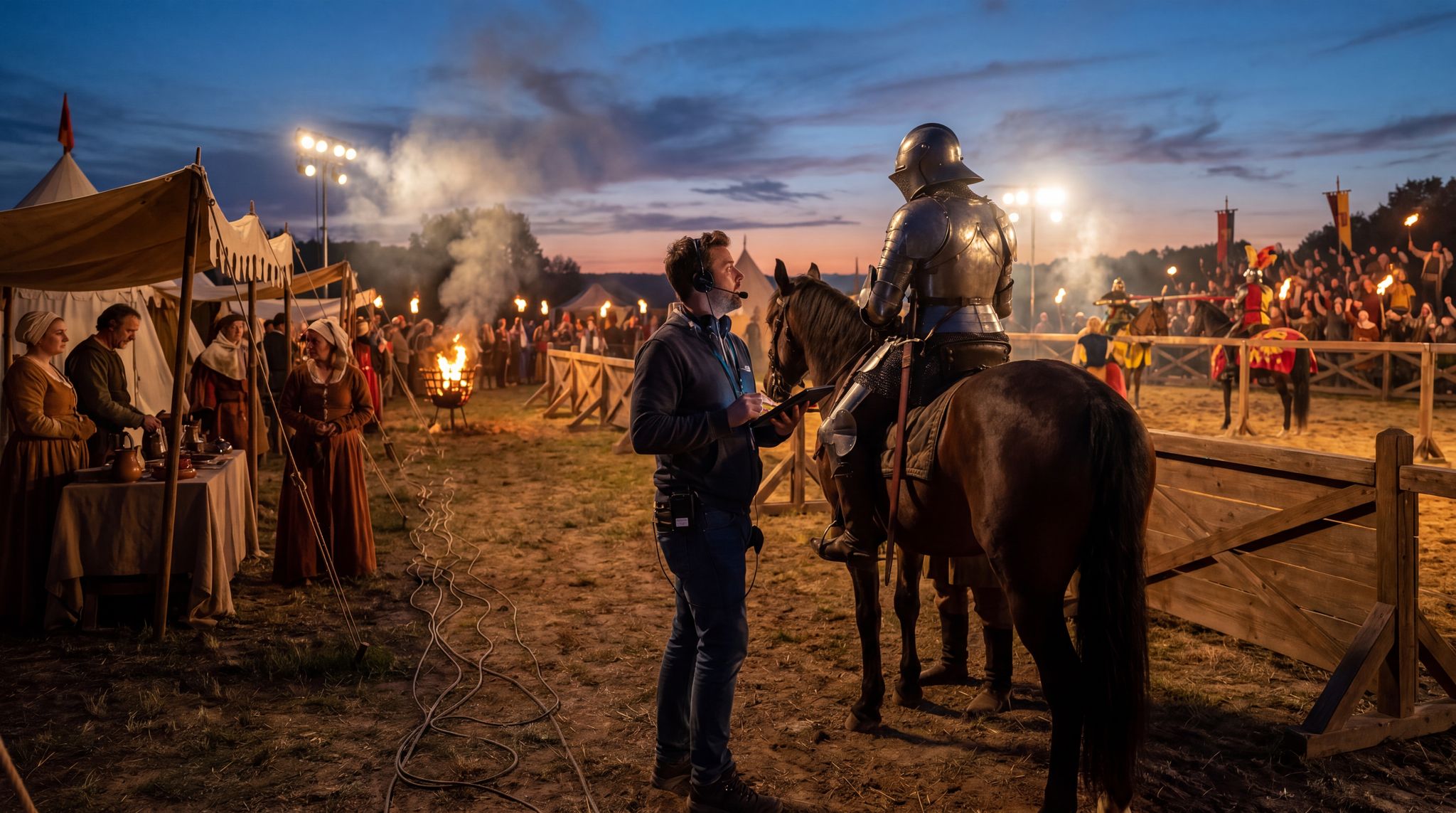
No Renaissance festival is complete without roaring crowds at the joust or the sound of lutes and laughter from a stage show. Entertainment variety is essential to keep attendees engaged throughout the entire day. Plan a robust lineup that transports people back in time and offers something for everyone. Anchor your schedule with headline attractions like jousting tournaments – the quintessential medieval spectacle featuring armored knights on horseback. These require a skilled troupe (often professional jousters or stunt riders) and a carefully prepared arena for safety. Successful fairs like the Kaltenberg Knight’s Tournament in Bavaria have turned jousting into a major production with pyrotechnics, choreography, and live narration, all while keeping the action safe through rehearsals and barrier design. Whether on that scale or a modest exhibition, ensure any live combat or stunt show is run by experts with proper precautions (more on safety later).
Alongside jousting, curate musical performances, theatrical plays, and interactive shows that fit the theme. Renaissance fairs often feature wandering minstrels, madrigal singers, or folk bands playing period instruments like bagpipes and drums. On stage, you might schedule Shakespearean vignettes, comedic improv troupes doing “Ye Olde tavern” sketches, magicians, puppeteers, or even educational demonstrations (e.g. a lecture on medieval astronomy or herbal medicine) to enrich the historical context. Variety keeps different segments of your audience entertained – kids might love a comedic mud show, while adults enjoy the refined music at the Biergarten. When programming, think of your festival as a living village: there should always be multiple points of interest simultaneously, rather than one big stage that empties the lanes. This encourages exploration and avoids huge single crowds.
To manage this, develop a daily schedule grid covering all performance areas and roving acts. Stagger the marquee shows (like jousts) so they don’t overlap and so that staff (and medical teams) can focus support as needed. It’s wise to run at least one full dress rehearsal or preview day with the performers to iron out timing and any technical snags. Even if much of your entertainment feels spontaneous to visitors, behind the curtain it should be as tightly coordinated as any modern festival lineup. Authentic atmosphere thrives on careful orchestration.
Interactive Activities and Immersion
Beyond watching shows, Renaissance fair attendees love opportunities to participate directly. Plan for interactive activities that invite guests directly into the historical fun. Archery ranges, mock sword-fighting lessons with foam weapons, historical craft workshops (like pottery or calligraphy), dance lessons, and renaissance games (e.g. tug-of-war or quarterstaff contests) can be scattered throughout your site. These hands-on experiences turn passive observers into active members of the “village,” creating memorable moments. For example, many festivals host costume contests or daily parades where visitors in costume march and show off – a great way to celebrate your audience’s creativity and give them a moment in the spotlight.
Free Tool: Size Your Festival Site
Zoned capacity planning for arena, campsite, parking and entry lanes — against UK Purple Guide and NFPA density standards. Finds your bottleneck zone.
Think about the event from a child’s perspective as well. A children’s realm with period-themed kids’ activities (puppet shows, fairy story time, medieval carnival games, etc.) will encourage families to spend the whole day. Ensure this area is clearly demarcated and staffed by especially family-friendly crew. Keep things safe and fun – e.g. foam arrows instead of real ones at the kiddie archery booth – and consider modern needs like a baby-changing station (perhaps tucked inside a tent). By catering to all ages and engagement levels, you create a dynamic environment where everyone finds their own magic moment.
Finally, don’t forget the little details that deepen immersion. Train participants to speak with old-world greetings (“Good morrow, friend!”) and pepper their dialogue with “thee” and “thou” for flavor. Encourage vendors and staff to minimize out-of-character conversations within earshot of guests. Some festivals even create a loose storyline or recurring characters that visitors can follow throughout the day. The more guests feel like inhabitants rather than customers, the more unforgettable their experience will be. Just remember the Farandwide axiom: historical accuracy isn’t as important as pure enjoyment. It’s okay if a pirate is chatting with a Viking – if everyone’s smiling and immersed, you’ve succeeded in bringing the past to life.
Site & Infrastructure: Modern Foundations for Medieval Festivals
A medieval festival may evoke a bygone era, but it still needs to be built on solid modern infrastructure. Choosing the right site and designing a smart layout are critical early steps in medieval festival planning. The venue provides the physical canvas on which you’ll paint your historical scene – and it also determines a host of practical considerations like utilities, access, and regulatory jurisdiction. In this section, we’ll cover how to select or prepare a site that accommodates large crowds and complex operations while still looking like an authentic “faire ground.” We’ll also explore strategies to hide necessary modern amenities within your old-world decor, maintaining the illusion for guests.
Choosing the Right Venue and Layout
Venue selection can make or break a Renaissance fair. Ideally, you want a location that naturally complements the theme: perhaps a grassy park with woodland (for a Sherwood Forest vibe), a historic estate or castle grounds, or at least an open field where you can construct a temporary village. When scouting venues, consider not only aesthetics but also practical needs like space, terrain, and infrastructure. A flat, expansive area is excellent for large crowds and jousting fields, but some gentle terrain (hills, trees) can add visual interest and pockets of shade. Verify that the site can handle the expected capacity – hundreds or even tens of thousands of people across a day. Parking and access are huge concerns; a remote idyllic field won’t work if there’s nowhere for cars or if a single narrow road causes traffic jams for miles. Many established Renaissance festivals invest in creating dedicated parking lots or shuttle systems from nearby towns to manage the influx.
Next, approach your site layout like designing a medieval town with modern crowd science in mind. Key components typically include:
- Gate/Entrance: A controlled entry point where tickets are scanned or collected. This should be wide enough for peak arrival surges and decorated as a castle gate or village entrance to set the mood immediately.
- Main thoroughfares: Design wide pathways (ideally, dirt or straw-covered rather than pavement) looping through vendor markets, stages, and attractions. Avoid dead-ends that cause crowding; a loop or figure-eight flow works well to disperse people. Consider having themed districts (e.g. a “Medieval Marketplace” lane, a “Royal Court” area with a throne and stage, etc.) to distribute interest.
- Arena or Tournament Field: If you have jousting or large demonstrations, reserve a big open area with safe viewing spots. Place it toward one edge of the site to prevent too many cross-traffic bottlenecks when crowds gather for shows. Ensure ingress and egress points so that crowds can flow in/out efficiently after a joust – you don’t want 5,000 people all backtracking through a single narrow gate.
- Stages & Entertainment Areas: Spread smaller stages or performance spots around the grounds so music and shows emanate from various corners. This keeps visitors moving and exploring rather than all clustering in one spot. Separate stages sufficiently to avoid sound bleed (or schedule them not to run concurrently if close by).
- Vendor Booths: Typically line the main pathways, like a marketplace — but don’t place them all in one area or guests might miss sections. Group similar vendors in clusters (food court, artisan crafts, games/rides) for convenience. Ensure the lanes in vendor areas are wide enough for lines plus through-traffic; popular food stands will accumulate queues, and you don’t want that to choke a pathway.
- Support Zones: Identify back-of-house spaces hidden from attendees where you’ll have staff operations like storage, volunteer check-in, and staff parking. Many festivals use any woodland margins or behind-the-tent areas for this. Mark these on your site plan so that you can route power or vehicle access as needed without crossing public areas.
When designing layout, think about crowd flow from a safety perspective. Where will people naturally congregate? Do you have enough room in those spots, or do you need barriers to guide them? For instance, if the joust ends and then a pub sing-along begins at the tavern, are those locations far enough apart to keep two big crowds separate? A well-laid-out site minimizes intense crowd crushes and prevents traffic jams of bodies. Our Ticket Fairy guide on avoiding common crowd safety pitfalls at festivals notes that clear communication and multiple egress routes are vital in any emergency scenario – so design with contingencies in mind from day one.
Finally, consider multi-day or multi-weekend needs. Some Renaissance fairs are one-weekend-only, while others run for several weeks in a season (e.g. every weekend for two months). If yours is multi-weekend, it might be worth investing in semi-permanent site infrastructure. Many large fairs like the Texas Renaissance Festival have built an entire “seasonal theme park” with permanent structures (over 400 shops in a car-free village setting in the case of Texas RF). You don’t need that on day one, but it illustrates the scale some events reach. At minimum for a multi-date fair, coordinate with venue owners about leaving setups in place versus teardown each week. Having to reconstruct tents and stages every Friday is labor-intensive – some venues will allow you to store equipment on-site mid-week (with security measures). Also plan for site maintenance between event days: trash cleanup, repairing any damage to grounds (muddy areas, trampled fencing), and restocking supplies so that each weekend feels fresh and safe.
Themed Decor vs. Modern Necessities
One of the trickiest balancing acts is integrating modern utilities and amenities into a historical setting. Your festival needs things like electricity, running water, shelters, waste disposal, and communications – but obviously extension cords and fluorescent exit signs don’t scream “Ye Olde Faire.” The solution is to disguise and strategically place these necessities so they serve guests without breaking immersion.
Need Festival Funding?
Get the capital you need to book headliners, secure venues, and scale your festival production.
Start with tents and structures. You will likely rely on rental tents or pop-up pavilions for many purposes (vendor booths, info desks, first aid, etc.). Rather than plain white tent tops, invest in or encourage themed facades. Many fair organizers get creative: covering modern tent frames with medieval banner graphics or adding plywood cut-outs to mimic timber-framed shopfronts. A simple 10×10 vendor pop-up can be transformed with fabric and paint – e.g. a fabric cover printed like a cottage roof, or plywood panels cut like castle crenellations around the top. Encourage vendors to decorate their stalls extensively. Some experienced merchants even bring their own tent disguises, a skill shared enthusiastically in the ren faire community using methods like extended triangular side panels for a period look. If possible, mandate a standard that any modern tent or booth must be adorned in period style – provide guidelines or examples in your vendor packet. The cumulative effect of dozens of decorated booths is huge for ambiance.
For power and lighting, involve your production team in the theming conversation. Run cables along fences or trenches and cover them, or hide distribution boxes inside “witch’s hut” sheds. Use rustic-style lighting where feasible: strings of Edison bulbs can evoke an old tavern atmosphere more than floodlights (just ensure they emit enough lumens for safety). When bright security lighting or exit signs are legally required, see if you can mount them low to the ground or high above sight lines, and use warm gels to soften the glare. Citronella torches or lanterns might provide accent lighting, but supplement with modern lights after closing for teardown and cleanup tasks. Generators should be placed far from main areas (to reduce noise) and fenced or draped to hide the industrial look – yet accessible to refuel. If budget allows, silenced or inverter generators are worth it for a quieter atmosphere.
Sanitation facilities are a must, but that row of blue plastic portable toilets can wreck the illusion. Solution: position toilets in a discrete area (behind a tent or treeline) and add a medieval touch. Some festivals build a simple facade wall labeled “Privies” to hide porta-potties, or use canvas screens with heraldic symbols. Inside, keep them clean (have an attendant service regularly) because bad odors or mess will burst the fantasy bubble fast. Provide hand-washing or sanitizing stations and consider disguising them too – e.g. a wooden barrel could contain a hidden hand-sanitizer dispenser. Importantly, ADA-accessible facilities and pathways need to be part of your infrastructure plan – even the medieval village has to accommodate wheelchairs and guests with disabilities in the modern era.
Other behind-the-scenes systems include communications and security. Staff will likely use radios or cell phones to coordinate, but you can assign costumed “runners” to carry messages physically for any in-character needs (or just for show). Just ensure that critical staff have reliable modern comms when needed – you don’t want a medic delayed because someone role-played too hard and didn’t call for real help. As for CCTV cameras or other surveillance, these can be mounted on disguised towers or within decor (just don’t violate privacy laws by hiding them inappropriately). Many aspects can be hidden in plain sight: a speaker playing ambient lute music can be hidden behind a shop sign, a fire extinguisher can live inside a labeled “Ye Olde Fire Brigade” cabinet, and so on.
Remember, safety trumps theme when necessary – but often you can have both. For example, if there’s a risk of heat exhaustion, you might set up a cooling station tent. Theme it as a “Medics Tent” with a red cross or a “Healer’s Hut” sign, staffed by crew in simple tunics, to make it blend in. People will intuitively understand its purpose while appreciating the thematic effort. The Renaissance Pleasure Faire’s mission statement explicitly promises “a safe, clean and inviting experience for family entertainment“, showing that even the most immersive events prioritize guest well-being. In practical terms, that means you never compromise on providing water, shade, first aid, or sanitation – you simply deliver them in a creative, on-theme package.
Finally, plan how each day will start and end from a site perspective. In the mornings, you may need forklifts or utility vehicles to restock kegs, food, or move equipment – get that done before gates open or cordon off areas as needed, then hide the vehicles. After closing, you might turn on those bright floodlights for teardown/security once guests have left. It’s okay that not every operational aspect is themed 24/7; just time it so the audience rarely sees the seams. In summary, design your medieval village with modern backbone – when done right, guests will rave about the authentic vibe, unaware of the careful engineering and masking that made it possible.
Medieval Marketplace: Vendors, Crafts, and Cuisine
One of the biggest draws of Renaissance festivals is the marketplace experience – the chance to browse artisan crafts and indulge in hearty period-inspired food. Managing vendors and F&B (food & beverage) at a themed event comes with extra layers of complexity. You want offerings that feel authentic to the Renaissance or medieval theme, but you must also meet today’s health codes, handle payments, and ensure vendors operate smoothly. In this section, we’ll discuss how to curate an authentic vendor lineup and keep it historically flavored, as well as the logistics of vendor management from both the guest experience and backend perspectives.
Authentic Food, Drink, and Crafts
The quickest way to immerse someone in the past is through their senses – and nothing triggers nostalgia like taste and smell. Renaissance fairs are famous for certain foods: giant turkey legs, meat pies, roasted corn, ale and mead, fresh-baked breads, and more. Plan your food vendor roster to deliver on these classics and any local historic specialties. Aim for menus that reflect old-world recipes or at least feel rustic (for example, a hearty stew in a bread bowl sells better than modern fast food). However, keep one foot in reality: include a handful of options for common dietary needs like vegetarian or gluten-free, even if that means a “herbivore’s platter” or fruit skewer that fits the theme. The key is presentation – serve items in wooden bowls or on trenchers (wooden plates), avoid obvious plastic, and dress your food stall workers in period costume. The more it looks like a bustling medieval tavern or open-air kitchen, the deeper the immersion.
Drinks should likewise match the mood. If you serve alcohol, consider thematic choices like honey mead, dark ales, or mulled wine. Many festivals partner with local craft breweries or cider makers to create a special “Faire Ale” or cider for the event. Of course, offer non-alcoholic drinks too: old-fashioned root beer or fruit juices labeled as “elixirs” add fun for kids and teetotalers. One caution: drunken brawls might be period-correct for a tavern, but in modern reality you need responsible service. Emphasize responsible alcohol service training for any beer/mead vendors and have a clear policy for cutting off over-intoxicated guests (ideally handled discreetly by security). Also check local license requirements – a separate alcohol permit or licensed servers might be needed.
On the craft side, a renaissance marketplace thrives on unique, high-quality artisan goods. Prioritize vendors who sell handcrafted or period-appropriate wares: think leatherwork, armor and chainmail, costumes, pottery, candles, wood carvings, calligraphy scrolls, and jewelry that could plausibly exist in a fantasy Renaissance setting. Some latitude is fine (you’ll often see fantasy art or steampunk items that aren’t strictly medieval), but avoid too many obviously modern or commercial products. No one wants to see cheap plastic toys or cell phone cases at a Renaissance fair – that breaks illusion and devalues the experience. Instead, curate a vendor mix that feels like an extension of the theme. You might even place “guild” signs (e.g. “Blacksmith,” “Apothecary,” “Tailor”) above booths to enhance the village feel.
Go Cashless With RFID Technology
Enable contactless payments, faster entry, and real-time spending analytics with RFID wristbands and NFC-enabled ticketing for your events.
To attract top-notch artisans, you’ll need to reach out early. Many craftspeople plan their fair circuit annually, so start the vendor application process 6–12 months ahead of your event. When vetting applications, ask for photos of their booth setup and products – and insist on the costuming/decor standards. It helps to outline these requirements clearly in the vendor packet: e.g. “all vendors must be in attire appropriate to 15th–17th century Europe or fantasy equivalent; modern packaging should be minimized or hidden.” Some festivals even have a “Queen’s Award” for best-decorated booth to incentivize vendors to go the extra mile. The result of consistent theming is a marketplace where a guest can drift from a leatherworker to a candlemaker to a bakery and feel like it’s one cohesive world.
From a guest perspective, the marketplace is where they’ll likely spend a lot of time – and money. Encourage vendors to do demos or interactions to enrich the experience (and draw crowds). A glassblower showing his craft or a blacksmith hammering away at an anvil (with proper safety barriers) adds authenticity and draws interest that can translate to sales. Live craft demonstrations also create great content for marketing (nothing like a photo of glowing iron on an anvil to say “medieval festival”!). Just be sure to schedule these demos so they don’t conflict with major shows, and communicate any special needs (like power or space) to those vendors. Where possible, group similar demos in a “crafts corner” so interested guests can watch multiple artisans at work.
Vendor Logistics and Compliance
Behind the scenes, vendor management at a Renaissance festival has all the usual challenges of any festival – plus some extra twists. Clear communication with vendors is essential for smooth operations. Provide a detailed vendor manual covering load-in procedures, set-up times, operating hours each day, and teardown rules. At themed events, vendors often have more setup work (decorating their booth, arranging stock artfully), so allow generous time the day before opening for them to create their space. Assign vendor slots in advance on a map and avoid last-minute shuffling whenever possible, as many will build decor specific to their location (e.g. stringing a banner between two trees). It’s wise to arrange a quick safety inspection of each vendor booth before opening – check that their tent is secured and any open flames or cooking equipment are situated safely. This protects everyone and reinforces that modern safety standards still apply in “Medieval Land.”
Coordination with local health and safety officials is crucial if you have food vendors or anything involving animals or fire. Ensure every food vendor has the required health department certification or temporary food event permit. Expect health inspectors to visit on opening morning or unannounced – forewarn vendors to have thermometers, hand-wash setups, and food stored properly according to code. Non-compliance can shut down a booth or even the whole event’s food service. A smart organizer will facilitate a transparent process: for instance, collect copies of all food vendor licenses and insurance ahead of time, and maybe even invite the health inspector to do a site walk-through during setup (when fixes can be made) rather than mid-festival. Some festivals hire an independent food safety consultant to double-check compliance on-site so that vendors pass inspections with flying colors.
Fire and safety regulations must be enforced even when they conflict with theme. Many Renaissance fairs involve open flames – torches, campfires in reenactor encampments, blacksmith forges, candle makers, etc. Work closely with the local fire marshal on rules for each. You may need to provide fire extinguishers at each booth with a flame source (hide them decoratively, but they must be there) and maintain clear fire lanes through vendor areas. If you plan fireworks or cannon blasts as part of entertainment, get those permits and have fire department on standby as required. An emergency access path for vehicles (ambulance or fire truck) should be kept open behind or around the vendor village; mark this on your layout and communicate it to vendors (no one should inadvertently park blocking the “secret” fire lane). According to veteran producers, prioritizing safety is absolutely non-negotiable for events – every participant must cooperate with these measures, even if it means a fire breather act has to adjust or a candle-maker uses LED candles when winds are high.
Payments and currency are another logistic element to decide. Will your festival be primarily cash-based, or will you support cashless payments? Renaissance fairs have historically been cash-heavy – many intentionally stick to cash to enhance the old-time feel (and speed up transactions without card readers). However, in today’s world, not offering card payment can limit sales (especially for high-ticket crafts) and inconvenience guests. A compromise some events use is a token system: attendees purchase themed tokens or coins (with cash or card) at a central cashier, then use those tokens at booths for purchases. This allows a fun themed currency and lets vendors avoid handling card payments individually. At the end of the day, vendors redeem tokens back for real money. If going this route, treat tokens like cash – secure the banks and track inventory to prevent loss or counterfeiting. Modern cashless payment systems can also be adapted – for instance, RFID wristbands could be loaded with credit, combining convenience with a high-tech solution (though an RFID wristband on a peasant might look odd!). When evaluating these options, weigh them against each other: our analysis of RFID versus app-based and token payment solutions can help festival organizers decide what’s best for their crowd and vendors.
Even if you stick to cash and card, ensure connectivity if card readers or mobile payment apps will be used. Many fair sites are rural, so you might need to rent a WiFi hotspot or verify cell coverage for vendors. Nothing frustrates an artisan more than losing sales because the card machine won’t connect. Also, make contingency plans for ATMs on site (some guests will expect them). You can theme an ATM kiosk as a “Moneylender’s booth” or similar. Restock the ATM with cash as needed and station it near security to mitigate theft risks.
Throughout the festival, manage vendor relations proactively. Maintain a vendor support crew or an office where they can report issues (power outage at their booth, need trash pickup, etc.). Do frequent walk-around checks. Quick fixes and good communication will endear you to your vendors, and happy vendors contribute to a vibrant atmosphere (and will likely return next year). After the event, solicit feedback: what sold well, what problems did they encounter? This will help you improve logistics and also curate the mix for next time (you might discover you had too many jewelry booths but not enough food variety, for instance). A diverse, well-served marketplace not only boosts your on-site revenues but also becomes a trademark part of the attendee experience.
Vendor Logistics Checklist (example)
| Task / Item | Description | Timeline |
|---|---|---|
| Vendor applications open | Announce and accept vendor proposals (online form) | 9–12 months out |
| Vendor selection & notification | Approve mix of vendors, send acceptance packets | 6–8 months out |
| Vendor packet & contract | Include decor rules, insurance requirements, fees | 6 months out |
| Permit coordination | Collect food permits, fire permits for relevant booths | 1–2 months out |
| Vendor load-in schedule | Assign load-in times (stagger arrivals to avoid chaos) | 1–2 days before |
| Safety inspection | Check each booth for compliance (extinguishers, etc.) | Setup day |
| Daily restock/ice delivery | Provide ice, water, or other logistics as promised | Each morning |
| Token redemption (if used) | Cash-out tokens for vendors at finance office | End of each day |
| Vendor feedback survey | Post-event questionnaire for improvements | 1 week after |
By staying organized and vendor-friendly, you’ll cultivate a loyal cadre of artisans and foodies who consider your festival a must-stop on their circuit. Their dedication to the theme and quality of offerings will in turn keep attendees spending and smiling, completing the virtuous circle of a well-run medieval marketplace.
Safety, Permits, and Compliance in a Historical Theme
In the excitement of planning jousts and feasts, it’s easy to forget that Renaissance festivals must comply with all the same laws and safety requirements as any modern event. In some ways, they face more risks – live horses charging down a list, juggling fire torches, and crowds of people wielding replica swords can spell trouble if not meticulously managed. This section covers the “unseen” foundation of a successful historical festival: rigorous safety planning, emergency preparedness, and navigating the maze of permits and insurance. The challenge is to enforce 21st-century standards without shattering the 16th-century illusion for guests. It’s a delicate dance of diligence and discretion.
Crowd Safety and Emergency Planning
No matter how merry the revelry, crowd safety is paramount. A well-designed site layout (as discussed earlier) is the first step to safe crowd flow. Beyond that, develop a comprehensive crowd management plan covering normal operations and emergency scenarios. Steal lessons from large music festivals: for instance, ensure there are multiple exit routes and that staff/attendees can be quickly directed if an evacuation is needed, preventing the situation from spiraling into a disaster. At a Renaissance fair, one potential emergency could be severe weather – many such events are outdoors in summer, where thunderstorms or extreme heat can pose dangers. Have a rain and lightning plan: if lightning is spotted within a certain radius, you may need to temporarily halt performances and ask guests to seek shelter, possibly even evacuate to cars if the storm is severe. Work out an evacuation script in character (“Hear ye: by order of the Sheriff, a storm approacheth…”) to deliver over the PA or via town criers – this maintains calm and immersion even during a break in the fun. The bottom line is to never delay a safety action for fear of disrupting the theme. Fans will understand and appreciate straightforward guidance when it comes to their well-being.
Turn Fans Into Your Marketing Team
Ticket Fairy's built-in referral rewards system incentivizes attendees to share your event, delivering 15-25% sales boosts and 30x ROI vs paid ads.
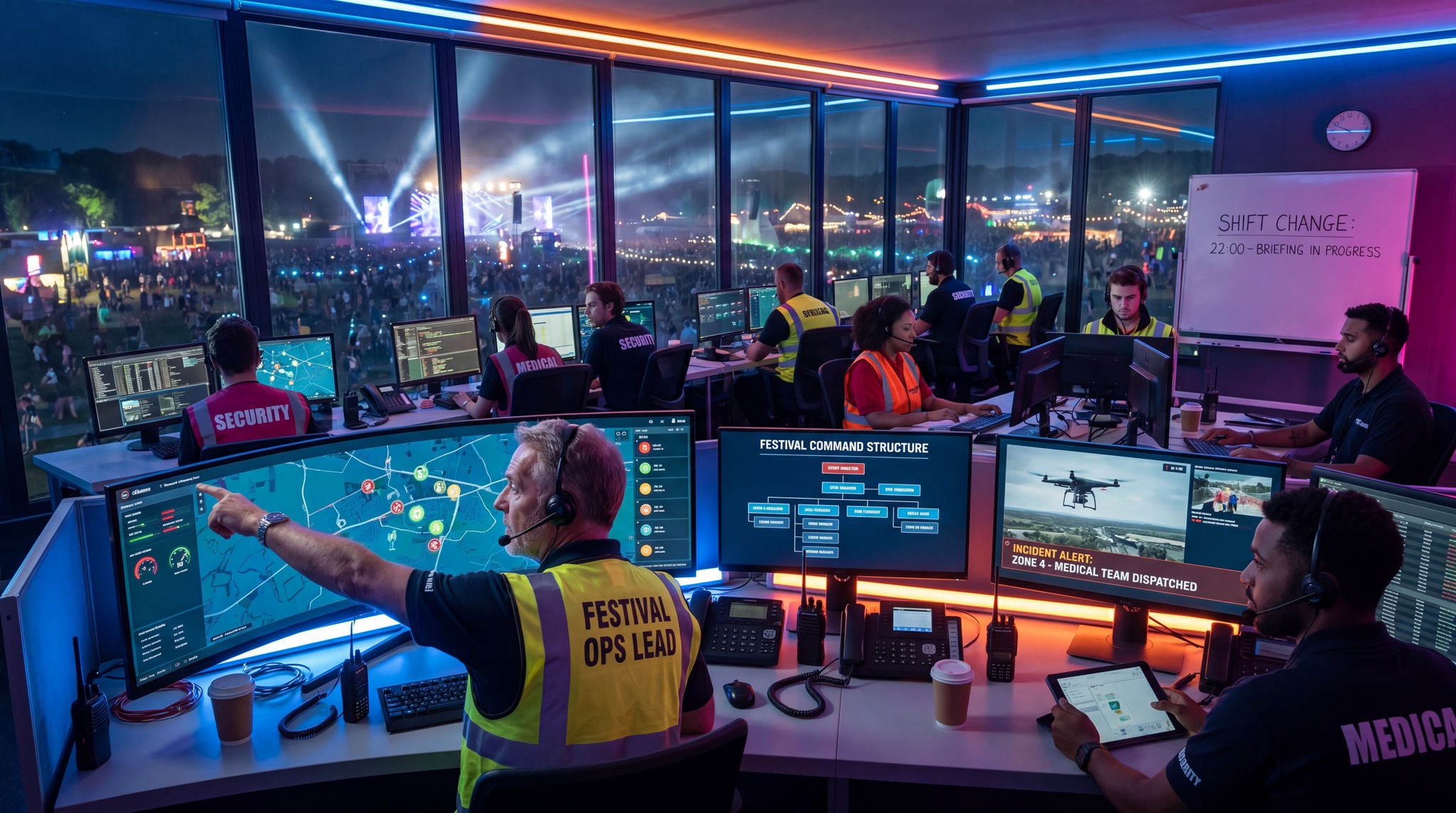
For everyday crowd control, train your staff and volunteers in basic event safety protocols. They should know how to respond if they see potentially dangerous crowding, an altercation, or a medical issue. Assign a dedicated safety officer or team (in modern attire if necessary) whose sole job is to monitor risks – like looking out for overcrowding at the joust arena or a bridge. If the joust field gets too packed, have a system to stop admitting people or to politely disperse folks outward. Sometimes using in-character town criers or jesters with a humorous message can achieve compliance in a friendly way (e.g. a jester quips about “ogres on the move” to clear a path). But also give security staff the authority to step in firmly if needed. Research shows that one of the biggest mistakes in festival safety is failing to empower staff to call out hazards or pause the show. If a squire sees a problem in the crowd, they should alert someone rather than assume it’s not their role. Build a culture where anyone – even a 19-year-old volunteer – can quickly get word to halt a performance if a spectator climbed a barrier or there’s a child missing, proving that even a junior spotter can prevent an accident. Every minute counts in preventing incidents, so make it okay to break character for an urgent “SAFETY HOLD!” if necessary.
Medical readiness is another pillar. Typically, you’ll want EMS (Emergency Medical Services) personnel on-site or on standby nearby. For large events, hire a professional medic team or coordinate with the local Red Cross/EMS to station an ambulance crew at the fair. Clearly mark the first aid tent on your maps (with a historically-styled sign like “Healer’s Tent”) and ensure all staff know its location. Heat exhaustion, dehydration, and twisted ankles are common issues on fairgrounds, so stock plenty of water, basic first aid supplies, and have a procedure for more serious injuries (e.g. direct ambulance access via that service road you kept open). Also plan for specific Renaissance hazards: for example, if you have horses, have a veterinarian or animal medic plan; if your Knights do full-contact jousting, have a trauma protocol and maybe even an on-site orthopedic specialist if budget allows. Thankfully serious injuries are rare, but robust risk management averts disaster and keeps attendees returning year after year.
Security staffing deserves special mention. Your security team will handle typical issues like lost children, petty theft, or unruly guests, but at a Renaissance festival they also need to oversee things like ensuring no real weapons slip in unsheathed, checking that only authorized people handle the falcons, etc. Balance visible security with themed subtlety. Some festivals have had success with a “Night’s Watch” concept – security guards in black tabards that blend in but are identifiable if you know to look. However you attire them, make sure your security personnel are trained for crowd management (not just bouncers). Given the historically influenced props everywhere (swords, bows, etc.), they need clear protocols on what’s allowed and how to peace-tie items at the gate. Additionally, the site perimeter should be monitored to prevent non-ticketed entry, and parking lots patrolled for safety as well.
Lastly, establish a stop-show procedure for performances. If something is going wrong mid-act (horse injured, spectator too close to a weapons demo, or a structural concern on a stage), any crew member or performer should be able to signal a halt. Work this out with entertainers during rehearsals – e.g. a special whistle or the narrator speaking a safety phrase (“Kingsfoil!”) that is not obvious to the audience. There was a real case at a joust where a horse veered off course towards the crowd; a quick-thinking squire waved a red flag which all knights knew meant stop immedately. This kind of planning, much like empowering teams to pause performances for safety, can prevent accidents from escalating. Your audience might be momentarily confused by an interruption, but it’s far better than an avoidable injury. You can always resume the merriment with a jovial in-character explanation once it’s safe.
Licensing, Insurance, and Risk Management
Navigating the permits and licences required for a Renaissance festival can be as complex as a royal decree – and it varies widely by region. It’s crucial to start the permitting process early (often a year in advance) and maintain good relationships with local authorities. As a 35-year industry veteran advises, it is essential to secure permits early and build positive local relationships, ensuring you don’t cut corners on safety and emergency planning. Doing so prevents nasty surprises like last-minute licence refusals or community backlash. In practice, this means meet with the relevant officials (city council, county events committee, etc.) in the planning phase. Explain your event concept – some may not be familiar with what a “Renaissance fair” entails – and address any concerns upfront (noise, traffic, crowd size, safety plans). Investing time in outreach can turn skeptics into supporters; many successful festivals conduct community meetings and share how the event will benefit the locality (tourism revenue, cultural enrichment, etc.). Building that trust can make getting your permits smoother and ensure your festival remains a welcome annual event.
Which permits will you likely need? At minimum, most jurisdictions require a general event permit or licence for large public gatherings. In the US, this could be a county-level permit for a mass gathering if over a certain size, plus separate permits for tents (fire department usually handles tent/fire safety permits), health permits for food service, and possibly special permits for things like pyrotechnics (if you have fireworks or cannon fire) or live animals. If your event features live jousting, check if any regulations apply – some places treat it akin to a rodeo, requiring veterinary inspection of horses and additional liability waivers. Weapons demonstrations (archery, combat sparring) might require notifying law enforcement or ensuring all weapons are dulled and secured. Consult your local police department on their expectations – you may need to hire off-duty officers for security or traffic, and they’ll appreciate being looped in early. In the UK and parts of EU, you’ll need to work with the local Council for an event licence, and adhere to Health & Safety Executive (HSE) guidelines for event risk assessments, etc. (The UK’s “Purple Guide” is an excellent resource on event safety standards). Our detailed primer on navigating festival permits around the world is a great starting point to understand different regions’ requirements and how to align your planning accordingly.
Smooth Entry With Mobile Check-In
Scan tickets and manage entry with our mobile check-in app. Supports photo ID verification, real-time capacity tracking, and multi-gate coordination.
Insurance is non-negotiable and must be in place well before showtime. At minimum, your festival organization needs general liability insurance – many venues or permits will specify a cover amount, often in the range of $1–5 million, depending on event size and risk factors. High-risk elements like jousting, archery, or having animals might push that requirement higher. If you’re renting a venue, they’ll likely want to be named as additional insured on your policy. Additionally, require that vendors and contractors carry their own insurance and name your festival as insured – this distributes risk. For example, a food vendor should have product liability insurance in case someone gets food poisoning, and the joust troupe should have performance insurance covering accidents to themselves or the audience (plus all participants probably need to sign waivers). While unpleasant to think about, consider insurance riders for scenarios like weather cancellation and event cancellation coverage (especially if a large portion of your budget would be lost by a canceled weekend). In the wake of COVID-19, communicable disease coverage is harder to get, but at least discuss contingency plans for public health issues with your insurer.
The backbone of permit approvals and good insurance rates is a solid risk assessment and management plan. Essentially, you need to identify all possible hazards at your event and document how you will mitigate them. This includes everything from trip hazards on uneven ground to the potential for heatstroke, lightning, aggressive bees, or a pandemic resurgence. It’s impossible to eliminate all risk in any live event, but you show due diligence by planning for reasonable worst-case scenarios. For each, assign a mitigation: e.g., “Risk: Spectator hit by a wayward arrow – Mitigation: Archery range will have netting and a safety marshal; blunt arrows only used in demonstrations; minimum 50m separation from audience.” These assessments both satisfy authorities and act as your internal checklist. Revisit and update them each year (every event yields new lessons). It’s also wise to form an emergency action plan (EAP) covering procedures for evacuations, lost child, fire, severe weather, active threat, etc. Coordinate this plan with local police, fire, and EMS so everyone knows their role. Doing a tabletop exercise with key staff can reveal any gaps – which you want to find on paper rather than in the moment.
One important aspect of compliance is documentation. Keep organized records of all permits, contracts, safety trainings, incident reports, and communications. Should anything ever go awry, demonstrating that you followed industry best practices and obtained all approvals can protect you legally and help manage the situation. In the best case, you’ll never need to pull out that binder because your preparation prevented issues. As the saying goes, prepare for the worst, then enjoy the best. By painstakingly handling permits, insurance, and safety prep, you create the secure framework within which the merriment can flourish.
To sum up, balancing authenticity with modern logistics means never letting the “medieval” fun compromise real-world safety and law. Through proactive permitting, comprehensive insurance and risk management, and strict but subtle safety operations, your festival maintains trustworthiness with authorities, participants, and the public. Attendees will only remember the magic of the experience – completely unaware of the legal and safety machine quietly protecting them, which is exactly as it should be.
Behind the Scenes: Operations, Ticketing & Finance
Producing a Renaissance festival is a massive organizational undertaking. While knights duel on the field and minstrels roam the lanes, an army of staff and crew behind the scenes is making sure everything runs like clockwork. In this section, we turn to the practical nuts and bolts of festival operations – from building a capable team and managing a tight production schedule to the business side of ticketing and budgeting. Seasoned producers treat these events not just as whimsical gatherings but as large-scale projects requiring disciplined project management and savvy financial planning. Here’s how you can ensure your medieval faire’s operations are as sound as a castle keep.
Scheduling and Staffing the Festival
A Renaissance festival might feel like carefree revelry, but it relies on meticulous planning and scheduling. Start with a master production timeline that works backward from opening day. Veterans advise treating festival planning like any major project – set key milestones for permits, bookings, marketing, and infrastructure, and track your project scope in manageable increments. If you find yourself behind schedule at any point, triage ruthlessly: prioritize safety-critical and operational essentials over nice-to-haves (e.g. securing medical staff is more important than finishing decorative banners). Our guide on getting your festival planning back on track offers tips on recovering if timelines slip. The earlier you identify issues, the more options you have to fix them, so hold regular check-ins with your core team in the months leading up.
Smart Promo Codes & Presale Access
Create percentage or flat-rate discount codes with usage limits, date ranges, and ticket type restrictions. Plus unlock codes for private presales.
Creating a production schedule for the festival days themselves is equally important. This includes everything from what time gates open, to performance timetables, to when garbage collection rounds happen. Make a detailed run-of-show document for each day, and share relevant portions with those who need them (e.g. the entertainment director and stage managers get the full show schedule; operations crew get the deliveries and services schedule). Allow buffer time between major acts to clear crowds. And plan for daily briefings – a short all-hands meeting each morning to review the day’s plan, weather, VIP visits, etc., keeps everyone aligned.
When it comes to staffing, Renaissance festivals often mix seasoned professionals and volunteers. You might hire professional stage managers, sound techs, security leads, and operations managers – but also rely on dozens or hundreds of part-time workers or volunteers for roles like ticket scanning, info booths, or character actors. Managing this mixed crew requires clarity and coordination. Each role should have a written description and training. For paid staff, outline responsibilities in advance (e.g. the tech director needs to know they also handle generator fuel management, if that’s expected). For volunteers, incentivize reliability – offer perks like free admission on off-days, a volunteer appreciation party, or small stipends/gift cards for those who complete all their shifts.
Because these events celebrate tradition, you may find veteran crew members who’ve been with the festival for many seasons (or come from other fairs) working alongside first-timers. Embrace that generational mix: pair up novices with experienced mentors on crew teams whenever possible. As one article on integrating veteran and new festival crews notes, a successful team leverages each generation’s strengths, as combining diverse perspectives often yields the best results. For instance, a veteran safety coordinator with decades of ren faire experience understands historical weapons risks deeply, while a younger marketing assistant can amplify the festival on TikTok and Instagram. By fostering mutual respect and knowledge transfer between them, you ensure the event benefits from both wisdom and innovation. Encourage veterans to document traditions and workflows (so no crucial task is known by only one elder staffer), and encourage newer team members to ask questions and propose improvements. Everyone should feel valued; staging a festival is truly a team sport.
Volunteer management is particularly crucial. Many Renaissance fairs involve volunteer guilds – groups of volunteers who take on certain themed roles or tasks (e.g. one guild might be peasants who interact with guests, another handles parking). Clearly designate volunteer leaders or liaisons to be the point of contact for each group. It’s important to integrate volunteers into your communications loop: invite them to pre-event training sessions and walkthroughs of the site. Cover safety basics with them too – they should know who to alert if they see an issue, and understand the chain of command. Also, set ground rules for volunteers like any staff: e.g. expected conduct, showing up on time in costume, etc. Many do it for the love of the era, but treating them professionally ensures reliability. On festival days, keep them motivated and happy – drinking water, shade, and snacks in the break area go a long way, as do thank-yous and recognition. Well-managed volunteers will become the lifeblood of your event (and often return annually, becoming more skilled each time).
A note on artist and act management: Your entertainers (bands, jousters, jugglers) also need coordination. Assign an entertainment coordinator or stage manager to be their main interface – handling check-ins, set times, and any needs (like “Where can the joust troupe warm up the horses?” or “We need a secure room to change into costumes”). Treat performers well, feed them if you can, and have a clear call time for each show. If you’re paying acts, get all contracts and payments sorted on schedule (some may require deposits upfront, balance after performance). Keep an extra copy of every performer’s tech requirements and ensure your tech crew has it too; there’s nothing worse than a lute player expecting a microphone and not having one ready.
Let’s illustrate a high-level planning timeline for a hypothetical renaissance festival:
No Hidden Fees, Just Honest Pricing
One all-inclusive fee covers the platform, payment processing, support, and every feature. Free events are always free. No setup costs, no surprises.
| Time Before Event | Key Planning Milestones |
|---|---|
| 12+ months out | Conceptualize theme and budget; secure venue dates; begin permit inquiries with local authorities; recruit core production team. |
| 9 months out | Launch vendor & performer applications; outreach to reenactment groups; initial site layout drafting; apply for necessary licenses (mass gathering permit, etc.). |
| 6 months out | Finalize major entertainment bookings (joust troop, headline shows); confirm vendors and send guidelines; start marketing teaser (save-the-date, website live); solidify sponsorships or partnerships if any. |
| 3 months out | Permits should be in hand or in final approval; tickets on sale (early bird promotions); hire security firm and medical services; volunteer sign-ups open; order rental equipment (tents, toilets, fencing); run safety planning meetings with key staff and officials. |
| 1 month out | Lock in schedule for shows and activities; print programs/maps; conduct staff training sessions (safety, customer service, ticketing system) including volunteer orientation; finalize site decor and materials (signage, props); confirm insurance coverages active. |
| 1 week out | Begin site build (tents, stages, decor installations); mark out booth spaces and roads; deep clean venue if needed; coordinate with vendors on load-in times; test tech systems (power generators, sound equipment, ticket scanners). |
| Festival days | Gates open early for vendors/performers to prep; daily briefing with all crew; execute festival program; monitor and adjust operations in real time; each night, debrief issues and reset for next day. |
| Post-event | Teardown site and clean up; thank-you emails to crew, vendors, partners; debrief meeting to discuss what worked/what didn’t; collect feedback from staff and attendees; document learnings for next year. |
Sticking to a timeline like this helps ensure nothing falls through the cracks. If you hit your marks, by opening day you should feel confident that when the cannon fires and the gates swing wide, every team member knows their role and the show will go on splendidly.
Ticketing, Admissions, and On-Site Tech
Even though a Renaissance festival harkens to the past, modern technology can greatly enhance operations – especially for ticketing and admissions. You’ll need an efficient way to sell tickets, check people in, and possibly control access to specific areas (like a VIP lounge or camping grounds if offered). Many events today opt for online ticketing platforms to handle advance sales. This is advantageous for several reasons: it provides upfront revenue, helps gauge attendance for planning, and reduces gate congestion. When selecting a system, look for features tailored to festivals – such as support for multi-day passes, tiered pricing (early bird vs regular), family or group ticket bundles, and the ability to issue physical or digital wristbands/passes. A quality festival ticketing and admissions platform will also offer on-site solutions like barcode or RFID scanning and real-time entry stats, so you can monitor crowd counts.
For Renaissance fairs in particular, consider whether you want to offer season passes or multi-weekend tickets. Many loyal attendees will come multiple days if you give them a deal – e.g. a season pass to all 5 weekends for a higher price. Your ticketing system should handle that complexity (each pass needs to allow one entry per day or similar). If this is your model, it might be worth using RFID wristbands or similar, since a durable credential can last all season with the attendee. However, RFID incurs costs and complexity – an alternative is paper or digital tickets per day and a separate ID card for season pass holders that is checked manually or scanned. Choose what fits your scale: for a massive festival, RFID might streamline entrance and even purchases; for a 2,000-person faire, simple QR code tickets scanned at the gate could suffice. The goal is to admit guests quickly and authenticate tickets to reduce fraud.
At the gate, queue management is important. People may show up in costume at opening and you don’t want them languishing in the sun. Create separate lines for those who need to buy tickets on-site, those who pre-purchased, and perhaps VIP or season pass holders. Use themed signboards to direct traffic (e.g. “Tickets for Peasants & Nobles – This Way” for onsite sales vs “Advance Ticket Holders – Express Entry”). Train your gate staff well – they should be friendly (they’re the first face of the festival) but also efficient with scanning or tearing tickets. Always have a backup plan if tech fails – extra printed lists or tickets, battery packs for scanners, and a supervisor who can troubleshoot. Nothing modern will frustrate guests more than a long wait because WiFi went down and the scanner app isn’t working. Test everything beforehand via a “dry run” with staff friends acting as customers.
Inside the event, evaluate what other tech you truly need without spoiling the theme. Point-of-sale systems for vendors can be helpful if going cashless – but as discussed, many might stick to cash or their own card readers to keep things simple. If you do deploy an event-wide payment system (like a token card or RFID cashless wristband), ensure the user interface is subtle or themed. Some events give out a commemorative bracelet or coin that doubles as the payment token, which is a nice touch. Also consider an event mobile app or map – a smartphone app with the schedule and map is practical, but perhaps not all your audience will use it (some might consciously “unplug” for the day). Physical maps and schedules posted around the venue are a must; you can style them like old parchments on notice boards to fit the environment. You might place a QR code on them for those who want a digital copy on their phone – label it as something fun like “Scan ye olde code for a digital mappe.”
A newer trend is using technology for crowd communication and safety (mass notification systems, etc.), but at a Renaissance fair you likely won’t ask attendees to opt into an app for alerts unless it’s a larger camping festival. Instead, rely on good sound systems disguised as part of the environment for any announcements, and train staff (and even performers) to help relay urgent messages if needed. For instance, if a child is lost, you might quietly spread the word among all costumed staff to keep an eye out, and only use the PA with a general message if necessary (in a tactful, coded way to avoid panic). It’s very community-like in these events, which can be leveraged – often attendees themselves will assist if they hear someone needs help.
From a business perspective, ticketing data can be gold for improving your festival year to year. Use a platform that gives you analytics – where are buyers coming from, which ticket types sold out first, etc. Post-event, review that data to plan marketing next time (targeting certain regions, or seeing if family packs were popular which indicates a strong family demographic). Also pay attention to no-show rates if selling advance tickets – if a surprising number of people bought but didn’t attend due to weather or other factors, it might influence whether you oversell slightly or implement better reminder communications. Modern ticketing systems like Ticket Fairy give full data ownership, meaning you get all the buyer info for future outreach (some older systems keep that data to themselves, which is a disadvantage for growth, as noted by IFEA Event Insider’s ticketing analysis).
Lastly, align your ticketing strategy with your finances. A critical festival mistake is gambling on last-minute ticket sales to pay bills. Instead, use early-bird sales and perhaps VIP experiences to generate revenue early. If cash flow is a challenge (since many expenses hit before the gates open), look at innovative solutions: for example, Ticket Fairy offers an event financing program where organizers can get an advance on projected ticket sales, which helps manage upfront costs before the event scales and can deliver a massive return on investment compared to paid ads. Such a cash advance program for event organizers can cover upfront costs like venue deposits and costume materials, and then be recouped from actual ticket sales. This can alleviate the classic stress of paying huge bills before any tickets are sold. Of course, always coordinate with your finance team or advisor to ensure any credit or advance fits your budget and sales outlook.
The bottom line: Use technology and ticketing tools to grease the wheels of your festival, not as a gimmick but as genuine support. The smoother the entry process and transactions, the more guests can lose themselves in the fun instead of dealing with hassles. In the words of one ticketing expert, transparent, fan-first ticketing builds trust which is invaluable for events that rely on loyal annual attendance. When a patron has a seamless experience buying a ticket, breezing through the gate, and making purchases with no nasty surprises (like hidden fees or long waits), they’ll be in the perfect mood to enjoy the enchanted world you’ve created.
Budgeting and Financial Sustainability
Even a fantasy festival must obey the laws of economics. Having a realistic budget – and sticking to it – is crucial for a sustainable event. Many Renaissance fairs are passion projects, but to continue year after year, they need to at least break even and ideally turn a profit (or fund a charitable cause if that’s the model). Statistics across the industry show that about 1 in 3 festivals loses money, a figure that underscores the importance of disciplined financial planning to join the successful two-thirds. Here’s how to approach your festival’s finances with the same rigor as any business, without killing the creative spirit.
Start by outlining all potential revenue streams and expenses. Renaissance festivals earn money primarily from ticket sales, vendor fees or revenue share, and possibly sponsorships or grants. Ancillary income can come from parking fees, merchandise sales (e.g. festival-branded souvenirs), and add-ons like VIP experiences or camping fees (if applicable). On the expense side, typical categories include venue rental, equipment rental, production costs (stages, sound, lighting, generators), permits and insurance, talent fees (performers, musicians, specialty acts), staff wages, marketing, and decor/props, plus a contingency reserve. Don’t forget seemingly minor line items that add up – like golf cart rentals for staff, fuel, printing for maps and tickets, porta-potty servicing, first aid supplies, and trash removal. It helps to reference budgets from similar events if you can get them (some publicly funded events might have records available), or consult with experienced producers who can point out hidden costs. For example, a jousting troupe might charge a performance fee plus lodging for their team and stabling for horses – those hotel and stable costs need to be budgeted.
Budget Breakdown Example: For illustration, here’s how a mid-sized Renaissance festival’s budget might allocate funds:
| Budget Category | Items Included (Examples) | Approx. % of Budget |
|---|---|---|
| Site & Infrastructure | Venue rental, tents and pavilions, staging, fencing, generators, portable toilets, lighting rigs, decor materials | 25% |
| Entertainment & Talent | Performers fees (jousters, bands, actors), talent travel/lodging, costuming, script development for shows | 15% |
| Staff & Crew | Salaries or stipends for crew leads, security team, EMTs, labor crew, volunteer meals/perks, training sessions | 15% |
| Vendors & Participant Ops | Vendor area setup, utilities (power, water) for booths, ice and utility supplies, sanitation and waste management | 10% |
| Marketing & Ticketing | Advertising (digital, print, radio), posters/flyers, ticketing platform fees, on-site ticketing infrastructure (wristbands, scanners) | 10% |
| Permits & Insurance | Permit/license fees, event insurance premium, security/fire detail costs (police, fire department charges) | 5% |
| Miscellaneous | Contingency fund (10% of total), emergency repairs, unexpected expenses (e.g. extra generator rental, weather mitigation) | 10% |
| Total | 100% |
(Percentages will vary by event; for instance, a festival that owns its venue might spend less on rental but more on year-round upkeep, etc.)
Notice the contingency line – always include a buffer (usually 10–20% of total costs) for the unexpected, protecting your event from unforeseen financial emergencies. It’s not a place to cut, it’s what will save you when a storm blows away three tents and you need last-minute replacements or when fuel costs suddenly spike. If you don’t use it, great – it becomes profit or seed money for next year.
On the revenue side, project different scenarios (conservative, likely, stretch) for ticket sales. Don’t just assume a sell-out; factors like weather can heavily influence Renaissance fair attendance. If you’re planning for, say, 5,000 guests but a rainy weekend could drop that to 2,000, can you still cover costs? Perhaps set your breakeven at a modest attendance figure and treat anything above that as bonus. Also explore diversifying revenue so you’re not 100% dependent on gate. Many festivals successfully boost income through on-site spending and partnerships: parking fees, a percentage of vendor sales (some events take 10% of gross vendor sales in lieu of a flat fee, which can scale nicely if attendance is high), selling festival souvenirs (t-shirts, tankards, flower crowns), offering VIP packages (like a special royal banquet or backstage tour with the knights), and sponsorship deals. Sponsors for Renaissance events might include local businesses, breweries, or even patriotic/cultural organizations. While Renaissance fairs aren’t as heavy on corporate branding as, say, a music festival, carefully chosen sponsorships – like a historic inn sponsoring the tavern stage – can bring in funds without hurting authenticity.
Cash flow management is another critical aspect. You’ll be incurring expenses long before you earn most of the revenue (which often comes during the event). Map out when big payments are due: deposits for entertainment might be due months out, rentals often require partial payment in advance, marketing spend will happen before ticket income peaks, etc. This is where presale tickets and early vendor fees help. Aim to get a significant portion of your expenses covered by advance income. If that’s not possible, ensure you have financing lined up (personal funds, investors, a line of credit, or the aforementioned ticket presale financing programs). Many veteran producers stress not to gamble on un-guaranteed sales – as one put it, “never rely on sell-out ticket revenue”. If you plan to pay your joust troupe from the gate sales of that same day and the crowd is smaller than expected, you’re in trouble. Instead, try to have all artist fees and hard costs covered before the event begins. Then gate sales cover variable costs and hopefully profit.
Keep a close eye on budget vs actuals as planning progresses. Update your budget whenever something changes – if your tent quote comes in higher, adjust elsewhere or seek more funding. Financial discipline early on prevents mid-event cash crises, where you might otherwise have to cut corners (which could impact safety or quality). Track ticket sales weekly and adjust marketing if needed to hit targets. If you’re running behind on revenue, you might add a flash promotion or emphasize group sales. If you’re ahead, you could allocate a bit more to contingency or extra entertainment. Basically, remain agile: a budget is a living document, not a one-time exercise.
After the festival, do a thorough financial review. Calculate your total revenues and expenses to see if you met your goals. If there’s a shortfall, identify why – was it lower attendance, or overspending? If there’s a surplus, congratulations! Decide how much to reinvest into improving next year (common investments are better infrastructure or higher-tier entertainment to grow the event). And absolutely ensure that all invoices are paid promptly – nothing hurts your reputation like a vendor or performer having to chase you for payment after the fair. Building trust with partners includes being financially reliable; this will make them eager to work with you again.
In summary, approaching your Renaissance festival with the financial prudence of an entrepreneur does not dampen the creative vision – it enables it. By budgeting realistically, safeguarding cash flow, and monitoring the bottom line, you ensure your event can weather surprises and continue for years to come. Many beloved festivals started small and grew gradually by reinvesting profits and scaling operations smartly, rather than over-extending. With sound finances, you’ll be able to focus on the joyous task of bringing the past to life, knowing the future of your festival is on solid ground.
Marketing and Community Engagement
You’ve built a wonderful event – now you need people to show up and enjoy it. Marketing a Renaissance or medieval festival presents unique opportunities to ignite the imagination of potential attendees. It’s not just another night at a club; it’s a chance to time-travel and be part of the story. In this section, we explore strategies for promoting your festival effectively, from traditional advertising to creative content and partnerships. Equally important is engaging the community – both the local community that hosts you and the passionate subcultures (reenactors, history buffs, fantasy fans) that can become your biggest ambassadors. A Renaissance fair thrives when it’s not just an event but a community celebration that people feel invested in.
Promoting the Magic: Marketing in a Modern World
Develop a strong brand and theme identity for your festival. Use that in all marketing materials to differentiate your event. Is it a high-fantasy “Fairy Queen’s Faire” or a more historically rigorous “1520s Tudor Market Fair”? Tailor your messaging accordingly. A lush visual identity with medieval-style fonts, artworks of knights and maidens, and a catchy slogan helps you stand out. Leverage social media heavily – Renaissance fairs are inherently photogenic and shareable. Post pictures from past events or costume displays to generate excitement. Short videos of jousting highlights or behind-the-scenes “watch us build a castle facade” clips can perform great on Facebook, Instagram, and TikTok. Encourage your cast and crew (in costume) to appear in promo videos delivering whimsical invitations to the public. Authentic enthusiasm is contagious.
Word-of-mouth is traditionally huge for these events – people invite friends and make it a yearly must-do. You can amplify that with a referral program or incentives. For instance, provide a small discount or a collectible pin for attendees who refer a friend (some ticketing platforms have built-in referral tracking to make this easy). According to data from festival case studies, a well-run referral program can boost ticket sales significantly while minimizing marketing spend. In other words, empowering fans as ambassadors yields a terrific ROI – one festival even achieved a massive return on investment rewarding fan referrals. Consider launching a fan-driven event referral rewards program in the months leading up to opening. This not only drives sales but also builds a community feeling before the gates even open.
Traditional media shouldn’t be ignored either, especially for reaching families in your region. Send press releases to local newspapers, radio, and TV stations – a story about a colorful medieval festival coming to town makes for great local news content. Invite press to a preview day or offer interviews with your costumed cast. Many events get a boost from local morning TV shows doing a live segment with swordfighters or dancers to draw last-minute interest. Print flyers and posters for libraries, community centers, schools, and coffee shops in the area. Even better, have costumed street teams hand out flyers at farmers markets or other events, staying in character – it’s memorable marketing.
Online event discovery is important too. Ensure your festival is listed on online event calendars, tourism websites, and Renaissance event directories. Use SEO to your advantage: if someone Googles “medieval festival near me” or “Renaissance fair planning tips” (like possibly how you found this article!), you want to appear in the results. A well-maintained website with all key info (dates, location, ticket info, highlights, photos) is essential. Optimize it with relevant keywords (e.g. “Renaissance fair in [Your State]”) and keep it updated. For paid online ads, target interest groups such as people who like Renaissance fairs, fantasy, Game of Thrones, D&D, etc., as well as families looking for weekend activities.
Engagement is maximized when you tap into the FOMO (fear of missing out) and uniqueness of your event. Highlight experiential elements in marketing: “Feast like a King on roast turkey legs!”, “Watch knights clash in epic live jousts!”, “Get transported to Shakespeare’s England for a day!” These are selling points no couch or video game can compete with. As a marketing piece on live events noted, reminding people of the irreplaceable experience of being there in person – the tastes, the sounds, the interactions – is key to convince those who might otherwise stay at home . Emphasize that it’s a limited-time engagement (e.g. “only 2 weekends this year!”) to instill urgency.
Finally, consider promotional partnerships. If you can partner with regional tourism boards or travel agencies, you might attract out-of-town visitors, especially if your area has other attractions. A campaign in collaboration with the tourism bureau – like hotel packages or discount codes for festival attendees – can boost attendance and expand your marketing reach. Similarly, cross-promote with related organizations: local museums, history clubs, or cosplay groups could share your event with their followers. You might offer a group discount to such communities; for example, if a historical swordfighting club brings 10 members in costume, they get a special rate. These folks not only buy tickets but add to the atmosphere.
To keep marketing momentum, update your content frequently as the event nears. Showcase vendor spotlights (“Meet the blacksmith who will be making swords on-site!”), performer bios, and behind-the-scenes peeks at decor being built or costumes being sewn. Encourage those who have already bought tickets to spread the word by creating an event hashtag and maybe running a photo contest (“Post a pic of your best RenFair costume from past years, win VIP upgrade!”). The more personal and engaging your promotional efforts, the more people will feel the event is a community they want to join, not just a one-off transaction.
Engaging Reenactors and Local Communities
A Renaissance festival doesn’t succeed in a vacuum – it’s usually the product of passionate sub-communities coming together. One core group to engage is the reenactment and historical enthusiast community. These include medieval reenactment societies, SCA (Society for Creative Anachronism) chapters, HEMA (Historical European Martial Arts) clubs, LARP (live-action role-play) groups, and costume enthusiasts. Many of them are eager for a platform to showcase their skills and nerd out about history. Involve them from the early stages: attend their local meetings or events, invite them to participate in your festival (perhaps as an organized guild or encampment), and listen to their ideas. If you have space, you can dedicate an area for living history encampments where reenactors set up period-accurate camps, demonstrate daily life activities, and interact with guests. For example, a Viking reenactment group might erect tents and do cooking, weaving, and combat demos in their camp, greatly enriching your content at minimal cost (they often do it for free or a nominal fee because it’s their hobby). Just ensure you support them with logistics like water, fire safety setups, and maybe locks/security for their gear overnight.
Treat reenactor groups and fan communities as partners. Offer them discounted or free admission if they contribute programming value. Acknowledge them in the program. Perhaps hold a re-enactor appreciation party after the event to thank them. These people often travel event to event, and if they have a great time at yours, word will spread in those circles. Soon, you’ll have a reputation as a “reenactor-friendly” festival, which can attract even more talent and authenticity. However, one thing to manage is aligning their activities with your safety and schedule – have clear guidelines, e.g. no unscheduled mock battles breaking out in the lanes that your safety team isn’t prepared for!
At the same time, work on local community relations. If your festival is in a town or small community, it’s vital to have the locals on your side. They might become your biggest advocates – or, if neglected, they could be sources of complaints (noise, traffic, etc.). To foster goodwill, communicate plans early to nearby residents. Some festivals offer a “Community Day” or free preview night for locals, especially if the event disrupts normal routines. You could invite neighbors to a dress rehearsal or give them a special rate to attend. Highlight the economic benefits to the locality – such as hotel bookings, restaurant traffic, or funds raised for local charities through the event. If you can, hire local contractors and staff, and let it be known. For example, using the local high school parking lot with a shuttle and donating a portion of proceeds to the school can turn a potential parking headache into a community partnership.
Consider any educational outreach opportunities. Many Renaissance fairs collaborate with schools – possibly offering an educational day field trip for students. A weekday “Education Day” with a slightly more structured program (historic demos geared to curricula) can draw school groups and home-school networks. Not only does this spread knowledge, it builds a pipeline of future attendees (kids go home excited and ask parents to take them on the weekend). Some events also coordinate with scout groups for badge programs or volunteer opportunities, which further integrates the festival into the community fabric.
In all dealings, transparency and responsiveness go a long way. If a local church is worried about the noise or a neighbor is worried about traffic on their street, meet with them and see what can be done – maybe you adjust speaker angles, or station volunteers at certain intersections. By addressing concerns proactively, you reduce friction. As highlighted in the veteran lessons earlier, working with the host community and fulfilling regulatory duties helps ensure you’re a welcome event each year. In one case, a festival faced complaints about litter in the neighborhood; the next year, they organized a post-event community clean-up with staff and volunteers, which not only solved the issue but also earned praise from the town.
Finally, build tradition and recognition in the community. Over time, small things like participating in local parades (imagine your knights and princesses in the city’s summer parade), visiting schools in costume ahead of the festival, or supporting local causes (e.g. a portion of ticket sales to a historical preservation society) can cement your event’s status as a beloved annual fixture. People will say “our town’s Renaissance fair” with pride. And from a marketing standpoint, that community endorsement is priceless – it means organic promotion through local word-of-mouth and media.
In essence, by deeply engaging with both enthusiast groups and your local host community, you transform your festival from a standalone event into a shared project. Reenactors feel ownership because they helped create the atmosphere; locals feel ownership because it benefits their town. That sense of collective investment not only improves the festival each year (with more volunteers, ideas, and support), but it also insulates you against challenges. If trouble ever arises – from permit issues to weather setbacks – you’ll have allies in the community and fan base who want to see the festival overcome them and continue to flourish.
Frequently Asked Questions
What is a Renaissance festival?
A Renaissance festival is an immersive, living history event that recreates a 16th-century village or medieval fairground. These events combine historical education with theatrical entertainment, featuring costumed characters, artisan marketplaces, period-appropriate food, and live spectacles like jousting tournaments to transport attendees to another era.
How do you plan a site layout for a medieval festival?
Design a medieval festival layout using a loop or figure-eight pathway system to disperse crowds and prevent bottlenecks. Place large attractions like jousting arenas near the site’s edges with multiple egress routes, and distribute smaller stages and vendor clusters evenly to encourage continuous guest exploration.
How can you hide modern technology at a Renaissance fair?
Disguise modern infrastructure by covering rental tents with medieval banner graphics or plywood cut-outs resembling timber-framed shops. Organizers can hide power cables along fences, place generators far from main areas, and use rustic-style lighting or decorative facades to conceal portable toilets and sanitation stations.
What are the main revenue sources for a Renaissance festival?
The primary revenue streams for Renaissance festivals include advance ticket sales, vendor fees, and on-site food and beverage purchases. Organizers also boost income through VIP experiences, parking fees, branded merchandise, and strategic sponsorships with local businesses or tourism boards to ensure financial sustainability.
How do Renaissance festivals handle emergency situations during performances?
Festivals implement strict stop-show procedures allowing any crew member to halt a performance using a predetermined safety phrase or visual signal. If a hazard occurs during a joust or weapons demonstration, staff immediately pause the action to secure the area before resuming the entertainment.
What permits are required to host a Renaissance fair?
Hosting a Renaissance fair typically requires a mass gathering permit, health department certifications for food vendors, and fire safety permits for tents and open flames. Events featuring live jousting, animals, or pyrotechnics may also need specialized licenses and veterinary inspections depending on local jurisdiction.
What types of food are sold at Renaissance festivals?
Authentic Renaissance festival food includes period-inspired classics like giant roasted turkey legs, meat pies, roasted corn, and fresh-baked breads. Beverage offerings typically feature honey mead, dark ales, and mulled wine, all served in rustic wooden bowls or trenchers to maintain the immersive historical atmosphere.
Which ticketing systems work best for multi-weekend historical festivals?
Online ticketing platforms that support multi-day passes, tiered pricing, and season tickets work best for multi-weekend historical festivals. Advanced systems utilizing RFID wristbands or secure QR codes help streamline gate entry, reduce fraud, and provide organizers with real-time attendance data for improved crowd management.
Are attendees required to wear costumes to a Renaissance fair?
Attendees are not required to wear costumes, though festivals highly encourage period-appropriate attire to enhance the immersive atmosphere. Guests who choose to dress up must follow specific safety guidelines, such as ensuring all replica weapons are peace-tied in scabbards and blunted to prevent injuries.
How do you market a new Renaissance festival to the public?
Market a Renaissance festival by emphasizing the unique, immersive experience through highly visual social media content featuring jousting and costumed characters. Organizers achieve high returns by launching fan-driven referral programs, partnering with local tourism boards, and engaging historical reenactment communities to spread word-of-mouth awareness.
How much contingency budget is needed for a medieval event?
A medieval event budget should include a contingency reserve of 10 to 20 percent of total costs. This dedicated buffer protects the festival from unforeseen financial emergencies, such as sudden fuel price spikes or the need to replace infrastructure damaged by severe weather.
Why do Renaissance festivals rely on historical reenactment groups?
Renaissance festivals partner with historical reenactment groups to elevate the event’s authenticity at a minimal cost. Organizations like the Society for Creative Anachronism set up living history encampments, demonstrate period crafts, and perform combat exhibitions, providing highly engaging, educational content that enriches the guest experience.