About Logan Campbell Centre
Logan Campbell Centre is an indoor, multi-purpose auditorium within Auckland Showgrounds at 217 Green Lane West, Epsom. Current venue information gives the hall a floor area of 1,055 square metres and a seated capacity of 3,000. It remains open and active in 2026, hosting exhibitions, convention stages, community functions and occasional large-scale electronic or live-music events. Auckland Showgrounds’ current operating arrangement runs through 2028.
The centre takes its name from Sir John Logan Campbell, the prominent early Auckland businessman, mayor and philanthropist who gifted Cornwall Park to New Zealand in 1901. That connection is more than ceremonial: the Showgrounds occupy Cornwall Park Trust land beside the park, placing the venue within one of Tāmaki Makaurau’s most recognisable historic landscapes.
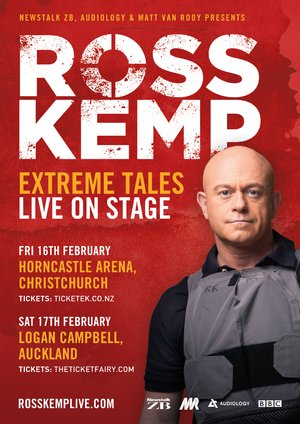
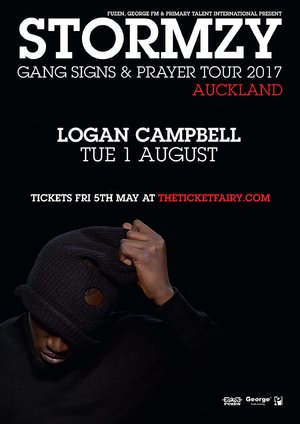
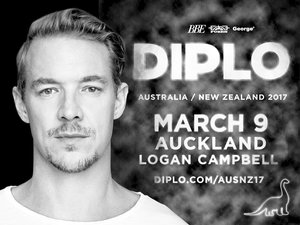
An exact public opening date for the present auditorium is difficult to verify, although concerts were being staged there by at least 1976. Its defining musical era began around 1980, when the converted exhibition hall was tested as a 3,000-seat alternative to Auckland Town Hall. Tom Petty and the Heartbreakers were among the first major rock acts to use it in that role, followed by artists including The Ramones, The Police, Thin Lizzy, The Clash, U2, Metallica, Nirvana and Cold Chisel.
The building also has sporting history. It staged boxing during the 1990 Commonwealth Games, reinforcing its ability to switch between concerts, sports, ceremonies and exhibitions. In 2009–10, the final stage of a wider NZ$31 million Showgrounds redevelopment added a new frontage, foyer, colonnade and vehicle dock to the centre. The wider project introduced a hospitality hub, food court and a sheltered pedestrian spine aligned towards Maungakiekie One Tree Hill.
The centre and the Showgrounds experienced a major interruption in June 2021 when the former operator entered liquidation and the site closed. A new interim operator enabled the grounds to reopen in November 2022, followed by a five-year lease confirmed in July 2023. That episode explains why some advertised 2021–22 performances were postponed, moved or never completed at the venue despite remaining in online archives.
Events and Programming
Logan Campbell Centre’s programme has always been broader than its rock reputation. It has accommodated concerts, dance events, boxing, banquets, trade competitions, cultural celebrations, family productions, art shows and convention main stages. Its size fills an important Auckland niche: larger than a club or traditional theatre, but much more compact than the city’s principal arena.
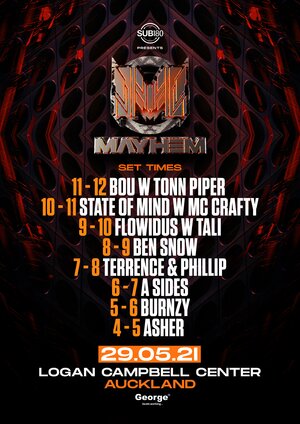
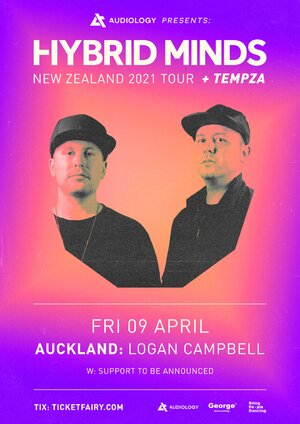
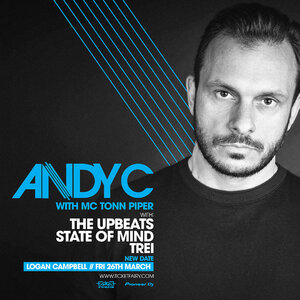
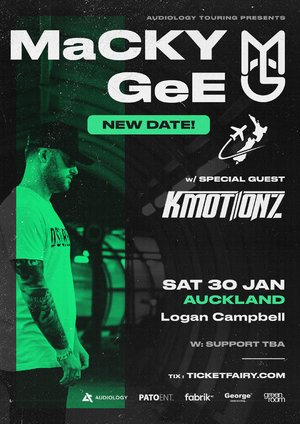
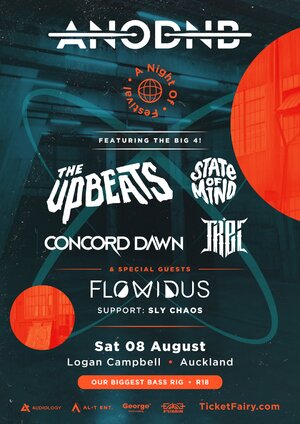
Before the 2021 closure, the centre was particularly active in drum and bass and electronic music. Verified 2021 bookings included Andy C, Hybrid Minds and the Mayhem dance event, generally as standing, restricted-age productions. Published prices for these nights ranged from approximately NZ$59 to just over NZ$100 before or including varying fees. ticketfairy.com
Post-reopening programming has increasingly demonstrated the hall’s exhibition capabilities. The Easter Show’s art exhibition occupied the centre in 2024 and returned in 2026. Dinosaurs of Patagonia transformed it into a long-running science exhibition from November 2024 into April 2025, requiring substantial adaptation to fit life-sized skeleton casts, including Patagotitan. Visitor comments praised the informative displays, interactive children’s content and appeal across age groups.
In 2025, Logan Campbell Centre served as the main stage for Auckland’s winter pop-culture convention, including a live Auckland Wind Orchestra programme of music from games, anime and television. The 2026 programme has included the Easter art show and a pool and spa exhibition, while a large late-September drum-and-bass production confirms that the hall is again accepting amplified standing concerts. Pop-culture and design events elsewhere at the Showgrounds also use the centre as a performance or presentation hall when required.
As of 23 August 2026, no securely verified Logan Campbell Centre-specific event announcement for 2027 or later was found. That does not suggest closure: the wider Showgrounds has events scheduled beyond 2026 and its operating lease continues through 2028. The safest long-term description of its programming is flexible and event-led rather than a fixed season of weekly concerts.
Tickets and Booking
There is no single permanent ticket arrangement for every event. Tickets are normally issued through the authorised outlet selected by the individual promoter, exhibition organiser or convention. Use the seller identified in the original event announcement and be cautious with unofficial resale listings, especially when a concert has limited releases or age restrictions.
Prices vary sharply by format. General admission to family exhibitions or Showgrounds attractions often begins around NZ$10–30, although premium family packages can cost considerably more. Recent electronic events have generally fallen around NZ$60–100, with final releases or VIP products priced above that range. Trade-only events may require registration rather than a conventional admission ticket.
For high-demand concerts, buy during the first authorised release rather than relying on door sales. Some events divide tickets into downstairs floor and upstairs tier access, so check the ticket description carefully. Door sales are not guaranteed, and major conventions may sharply limit walk-up admission once attendance approaches capacity. ticketfairy.com
Seating and Layout
The venue combines a broad, flat central floor with raised mezzanine or bleacher-style seating around three sides and a stage at one end. The published plan shows a main entrance and foyer at the front, stairs to the elevated seating, multiple emergency exits, toilets, an outside event area and direct service connections. The floor may be left open for standing general admission, filled with temporary chairs or converted for displays, dining and trade stands.
For amplified music, the central axis of the room usually provides the safest balance of sightline and sound. A position near the middle of the floor delivers an immersive experience, while the middle rows of the side or rear tiers provide elevation and a clearer overview of the stage. Standing near extreme side walls, beneath structural overhangs or in rear corners may produce a less even mix.
Acoustics are the centre’s most debated characteristic. Its origins as an exhibition building create reflective surfaces, and historic reviews have criticised muddy bass, feedback and inconsistent coverage. Other performances, including Tame Impala and Royal Blood, received strong praise for powerful or highly detailed sound. The difference often comes down to production design, room treatment, crowd size and where a visitor stands.
VIP platforms, front-of-stage barriers, accessible viewing areas and reserved seating are installed according to each event rather than remaining permanent. There is no universally “bad” numbered section because the configuration changes, but buyers should check whether an upstairs ticket permits floor access and whether a side-tier seat faces a large screen, lighting tower or exhibition structure.
Production and Technical Facilities
Back-of-house facilities are substantial for a venue of this capacity. The official plan identifies seven dressing rooms plus a green room, a loading dock beside the stage, a foyer, café, toilets, outside holding space and several emergency exits. The modernised vehicle dock is particularly useful for touring scenery, exhibition components and concert production.
Current public venue material does not provide reliable stage dimensions, rigging loads, electrical distribution, loading-door measurements or a permanent inventory of loudspeakers, mixing consoles and lighting fixtures. Visitors should therefore understand that sound, video walls, lasers, lighting and special effects are generally production-specific. A 2021 dance event, for example, advertised an 80-square-metre video wall and a large touring sound system rather than a standard house setup. ticketfairy.com
The practical implication is that Logan Campbell Centre can support major production, but quality varies with the promoter’s technical package. Strobes, haze, high sound-pressure levels and large LED installations are common at electronic or rock events, while exhibitions may use quieter distributed audio and extensive temporary lighting.
Getting There and Parking
The address is 217 Green Lane West, Epsom, between Cornwall Park and Alexandra Park. Driving from central Auckland typically takes about 15–20 minutes in light traffic, but Green Lane West becomes congested around popular events and weekday peaks. Allow significantly more time for sold-out shows, the Easter Show or a large convention.
Frequent buses serve Green Lane West and nearby Manukau Road. Current transport guidance identifies the 30, 70, 321 and OuterLink among useful city connections, while route 65 provides a crosstown service through Greenlane. Stop 8067 outside Greenlane Clinical Centre is close to the Showgrounds; passengers cross Green Lane West to reach the venue. Route numbers and late-night frequencies can change.
Greenlane Station is the nearest railway station. Trains from Waitematā Station take roughly 12 minutes, followed by an approximately 21-minute walk. Alternatively, walk about six minutes from the station to stop 8069 and transfer to a local bus, alighting opposite the Showgrounds. The train is useful before daytime events, but the walk can feel long after a late concert.
Official transport guidance lists parking at neighbouring Alexandra Park at approximately NZ$10 per day, entered from Campbell Crescent or designated Green Lane West gates. Prices and availability vary, and some major events remove general public parking from the Showgrounds itself or charge higher event rates. Limited free spaces may be found on surrounding streets and Puriri Drive, but these fill quickly.
Accessible parking is available through Gate 3 at Auckland Showgrounds and at Alexandra Park; tell the parking attendant that an accessible bay is required. No permanent rideshare zone is publicly specified, so follow temporary traffic signs and arrange pickup away from the busiest entrance where possible.
Inside the Venue
The main entrance leads into a foyer serving the auditorium, café and toilets. The broader Showgrounds redevelopment added a hospitality hub and food-court facilities, but exactly which counters, bars or kiosks open depends on the event. Large exhibitions frequently supplement permanent facilities with food stalls, coffee vendors or temporary bars.
Concert entry may involve ticket scanning, identification checks, bag inspection and security screening. There is no dependable venue-wide bag-size rule published for every production, so a small handbag or compact backpack is the sensible choice. Camera rules, outside food, alcohol service, pass-outs and merchandise locations are set by each organiser. Do not assume professional cameras, large bags or BYO drinks will be admitted.
Historic visitor accounts describe the auditorium as utilitarian rather than luxurious, with dated finishes and a tendency to feel cold between events or during winter. A light jacket is worthwhile even when the weather outside is mild. There is no consistently advertised public coat check, so bring only what you are prepared to carry.
Nearby Amenities
Alexandra Park is immediately beside the Showgrounds and provides the closest cluster of parking and hospitality. Green Lane West and Manukau Road have casual dining, bakeries and takeaway options, while nearby choices include Grand Park Chinese Seafood Restaurant, One Tree Grill and Cornwall Park’s café. Check closing times before an evening performance, as Greenlane is not a dense late-night entertainment district.
Accommodation is available within walking distance. Parklane Motor Lodge is directly opposite the Showgrounds, while Epsom Motel is approximately six to eight minutes away on foot. Other Greenlane and Newmarket hotels are a short drive or bus trip away. Staying nearby is particularly useful for multi-day trade events, exhibitors with early starts or visitors attending a concert that finishes after frequent public transport has reduced.
What Makes This Venue Special
Logan Campbell Centre’s importance lies partly in its imperfections. It is a practical, old-school events hall rather than an ornate theatre, yet generations of Aucklanders saw formative performances there. Nirvana’s only New Zealand concert took place in the centre in February 1992 after demand forced two venue upgrades. Metallica played there in 1989, U2 presented two shows in 1984, and the building hosted Cold Chisel at the beginning of the band’s celebrated 1983 farewell tour.
Its cultural role extends beyond touring music. Community magic shows, South Asian festivals, chef competitions, art exhibitions, science displays and pop-culture performances have made it a genuinely cross-cultural Auckland space. Its flexible floor allows organisers to create experiences that would be difficult to fit into a conventional seated theatre.
The wider Showgrounds has also been a substantial economic asset. Historical assessments attributed more than one million annual visitors, tens of thousands of visitor nights and millions of dollars in regional output to events across the complex. Those figures apply to the whole Showgrounds rather than Logan Campbell Centre alone, but the auditorium contributes by supporting performers, production crews, exhibitors, caterers, accommodation providers and transport services.
Visitor Tips and Information
The venue map identifies wheelchair access across the Showgrounds, and event guidance confirms accessible toilets and accessible parking. Accessible seating should be arranged when booking because the flat floor and temporary layouts change between events. The Americans with Disabilities Act does not apply in New Zealand, so visitors should ask about specific access requirements rather than relying on an “ADA-compliant” label.
Arrive 45–60 minutes before a standing concert and at least 30 minutes before a busy exhibition session. Wear comfortable footwear, bring hearing protection for children or sound-sensitive guests, and carry valid photo identification for restricted-age events. There is no general dress code, although practical clothing is preferable to formal wear unless the event invitation says otherwise.
The most common mistakes are underestimating Greenlane traffic, expecting free onsite parking, buying the wrong floor or upstairs ticket, and assuming every Showgrounds event uses the same gate. Read the event-specific instructions printed with the ticket, as entrances, parking areas and auditorium configurations can change from one weekend to the next.
Frequently Asked Questions
Is Logan Campbell Centre still open?
Yes. Logan Campbell Centre is operating within Auckland Showgrounds in 2026. It has hosted recent exhibitions, art displays and convention performances, with further concert-style programming advertised later in the year. The Showgrounds’ current operator holds a lease running through 2028, although individual event schedules and the parts of the complex in use vary throughout the year.
What is the capacity of Logan Campbell Centre?
Current official venue information lists 3,000 seated patrons and a 1,055-square-metre auditorium floor. The actual attendance limit may be lower for events using large stages, barriers, exhibition structures, production compounds or additional accessible space. Standing capacity is not published as one universal figure and must be determined for each approved event layout.
Is Logan Campbell Centre indoors?
Yes. The auditorium, foyer and tiered seating are indoors, making the centre suitable for events throughout Auckland’s changeable weather. Some productions also use an adjoining outside area, the Showgrounds concourse or other pavilions. Bring rain protection if parking offsite because the walk from Alexandra Park, public transport or surrounding streets may not be fully sheltered.
Which entrance should I use?
The venue’s primary public address is 217 Green Lane West, but the entrance and gate used can change with each event. The Logan Campbell Centre sits beside Pavilion 3–4 and the main car park. Follow the temporary signs and ticket instructions rather than automatically joining the first queue visible from Green Lane West.
What is the nearest train station?
Greenlane Station is the nearest railway station. The official walking route takes approximately 21 minutes from the platform to Auckland Showgrounds. A bus transfer can shorten the walk, but may not save time once waiting is included. For a late finish, check the final train before attending or arrange a bus, taxi or rideshare alternative.
How much does parking cost?
Official transport information lists Alexandra Park parking at about NZ$10 per day, although event-specific rates may be higher. Some major exhibitions provide no general parking inside Auckland Showgrounds, despite onsite spaces being visible. Free street and Puriri Drive parking is limited and usually disappears early, so allow time for queues and a walk from the car.
Is accessible parking available?
Yes. Accessible parking is identified through Gate 3 at Auckland Showgrounds and at neighbouring Alexandra Park. Tell the attendant when entering so staff can direct you to the correct bay and accessible route. Availability may be limited during large shows, making early arrival advisable. Accessible passenger drop-off arrangements should be checked against the event’s assigned entrance.
Can wheelchair users access the seating area?
The Showgrounds maps identify wheelchair access to the pavilions, and accessible seating can be arranged for Logan Campbell Centre events. Because many layouts use temporary chairs, barriers or exhibition structures, wheelchair positions are event-specific. Book accessible seating in advance and state whether companion seating, step-free floor access or space for a mobility device is required.
Does the venue have fixed numbered seats?
Not across the whole room. Raised tier seating may be allocated by section or seat for some performances, while the central floor can be standing general admission, temporary reserved seating or an open exhibition. Always read the ticket category. An “upstairs” ticket may not include access to the downstairs floor, even when both areas are general admission.
Where is the best place to stand for sound?
The middle of the room, aligned with the stage and front-of-house mixing position, is generally the safest choice. Historic reviews suggest that sound can become uneven near the sides, while central floor and balcony positions have produced better results. If the mix sounds harsh when you enter, moving several metres towards the centre can make a noticeable difference.
Does Logan Campbell Centre have good acoustics?
Experiences vary. The converted exhibition-hall structure has a longstanding reputation for reflections and muddy sound, particularly with heavy bass or poorly distributed speakers. However, well-designed productions have achieved excellent results. Crowd size, room treatment, speaker placement and listening position matter more here than in a purpose-built concert theatre.
Are food and drinks available?
The centre has a café area and is connected to the Showgrounds’ hospitality hub and food court. Whether these facilities operate depends on the organiser and event hours. Major exhibitions often add temporary food stalls, while concerts may open licensed bars. Do not assume outside food, drinks or refillable bottles are permitted unless the event instructions explicitly allow them.
What is the bag policy?
No single permanent bag-size policy is published for every Logan Campbell Centre event. Security arrangements are set by the organiser, so requirements can differ between a family exhibition and an R18 dance event. Carry a small bag that can remain with you, avoid glass and unnecessary bulky items, and expect inspection at concerts or high-attendance public events.
Are concerts at Logan Campbell Centre all ages?
No. Age restrictions depend entirely on the production. The centre has hosted all-ages rock concerts, children’s entertainment and family exhibitions, but many electronic events are restricted to patrons aged 18 and over. Restricted events require approved photo identification. A child’s ticket, accompanying-adult requirement or infant policy should never be assumed from another event at the venue.
How early should I arrive?
Allow 45–60 minutes before a concert, particularly when admission is standing or parking is expected to sell out. For an exhibition with timed admission, arriving 20–30 minutes early is usually adequate. Add extra time during weekday traffic, major Showgrounds weekends or when collecting tickets. Entry queues can form well before doors at popular pop-culture events.
Does the venue get cold?
It can. Several historical visitors and reviewers describe the large auditorium as cool, especially during winter or lightly attended events. A full standing crowd warms the floor quickly, but tier seating and exhibition sessions may remain chilly. Bring a light layer that is easy to carry; a heavy coat is inconvenient because a permanent public cloakroom is not reliably advertised.
Why is the Nirvana concert associated with this venue?
Nirvana played its only New Zealand concert at Logan Campbell Centre on 9 February 1992, supported by The 3Ds and Second Child. Demand was strong enough for the show to move first from a smaller club to Auckland Town Hall and then to Logan Campbell Centre. It remains one of the building’s most frequently recalled musical milestones.