About Kingsland Bar & Grill
Kingsland Bar & Grill is permanently closed. The Greenpoint, Brooklyn venue hosted its final confirmed concert on August 31, 2024, and there are no Kingsland Bar & Grill events announced for 2026 or beyond. The separate concert-promotion operation known as The Kingsland Presents remains active, but its shows now take place at other Brooklyn rooms rather than at 269 Norman Avenue. The former commercial space was subsequently advertised for lease, reinforcing that visitors should not travel to the address expecting an operating bar or concert venue.
The venue was founded by hospitality and music-industry operator Chip Su. One published account dates its opening to 2016, while venue directories and surviving concert records place the beginning of its documented public concert program in 2017. From there, Kingsland developed into an important small-room stop for New York hardcore, metal, punk, metalcore, death metal, ska, experimental music, and occasional electronic events. It also operated as a neighborhood bar and restaurant rather than as a concert hall alone.
Kingsland’s distinction was its combination of a traditional front bar, inexpensive comfort food, and a compact rear performance room. Touring bands could play within arm’s reach of the audience, while local groups received access to a professionally operated stage without losing the informality of a DIY show. Its closing was especially significant because it followed the loss of another prominent Greenpoint heavy-music venue in the same year, reducing the number of appropriately sized rooms available to New York’s underground scene.
Venue History and Closure
After opening in 2016–2017, Kingsland quickly became associated with metal, hardcore, and punk. Its early documented bookings included touring and legacy artists such as Cro-Mags, Sheer Terror, The Dickies, The Queers, Bury Your Dead, Unleash the Archers, Jinjer, and UADA. Reviews from 2018 already described it as a welcome addition to Brooklyn’s metal scene, emphasizing the separate performance room, brick-oven pizza, friendly ownership, and unusually good sound for a modest venue.
Kingsland temporarily suspended activity during the COVID-19 shutdown in March 2020. Documented concerts resumed by August 2021, with the post-shutdown calendar gradually expanding before becoming especially busy in 2023 and 2024. During this period, the ownership group also developed larger or differently configured Brooklyn venues, giving its booking operation places to move shows that had outgrown Kingsland.
The final confirmed show took place on Saturday, August 31, 2024, with Simulakra, Headbussa, Worst Doubt, and Discontent. Some event databases continued to display later September and October listings, but contemporary closure reporting and attendee accounts identify August 31 as the venue’s farewell. Those later entries appear to have been stale announcements rather than evidence that Kingsland reopened.
The mixed-use property sold for $2.35 million in late 2024. By 2026, its approximately 2,500-square-foot commercial premises were still being marketed as a former bar, restaurant, nightclub, and live-music space. No replacement business trading as Kingsland Bar & Grill has been confirmed. The property transaction should not be presented as the proven cause of closure; public reporting did not establish one definitive reason.
Events and Programming
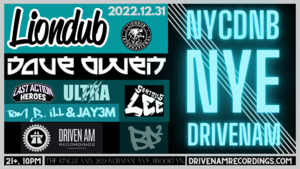
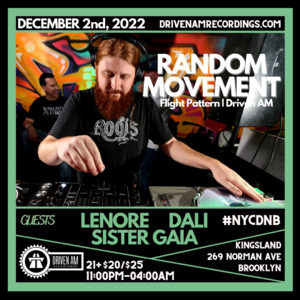
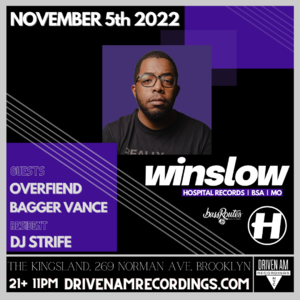
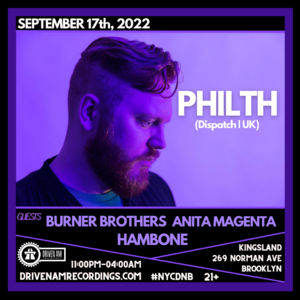
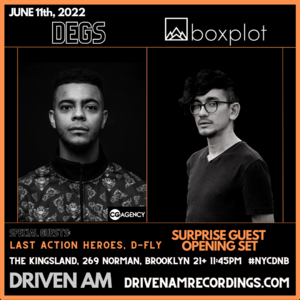
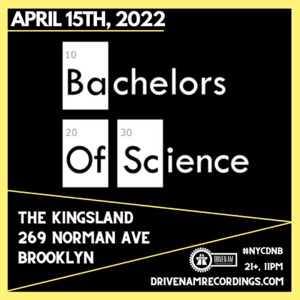
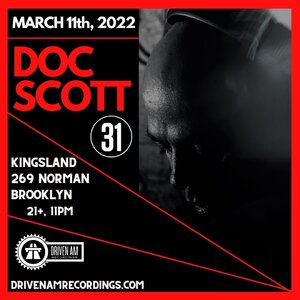
Kingsland’s core calendar centered on hardcore, metalcore, punk, and metal, but the programming was broader than its reputation suggested. It hosted ska-punk packages, post-hardcore, doom, black metal, technical death metal, surf-influenced rock, indie shows, poetry events, wrestling watch parties, and late-night drum-and-bass gatherings. Most concerts used multi-band bills, allowing local openers to perform alongside regional, national, or international touring acts.
Documented 2021 performers included Typhoid Rosie, Blunt Bangs, Black Crown Initiate, Sarah Longfield, Four Stroke Baron, Ceschi, Zeta, and Heat Death. The surviving 2022 archive includes Tombs, Evoken, Archspire, Entheos, Inferi, Vulvodynia, Call Me Karizma, Ice Giant, and others, although contemporary listings show that the archive is incomplete.
The calendar accelerated in 2023. Representative bookings included Urban Waste, Tallah, Exmortus, Generation Kill, First Fragment, Krieg, Zeke, MAAFA, The F.U.’s, The Krays, The Coffin Daggers, Legendary Shack Shakers, and a ska-punk package featuring Joystick, Flying Raccoon Suit, The Upfux, and The Pomps. A fan-maintained archive recorded 61 Kingsland concerts that year.
Notable 2024 appearances included Wristmeetrazor, Fury of Five, Skarhead, Sworn Enemy, downset., The Atomic Bitchwax, Savage Master, Haunt, Cryptodira, Jon Snodgrass, and the final Simulakra package. The venue also accommodated unconventional mixed-format events, including live bands combined with a major wrestling broadcast and guest appearances.
There was no single standard ticket price, but surviving listings place many regular concerts around $10 to $25 before optional fees. Smaller local bills could be near the bottom of that range, while touring packages and late-night electronic events commonly cost about $20 in advance and slightly more at the door. Capacity was limited, so advance purchase was sensible for established hardcore and metal acts.
Tickets and Booking
There are no current tickets for Kingsland Bar & Grill because the venue is closed. Historically, tickets were sold through each event’s promoter or authorized online seller, with remaining admission sometimes available at the door. Kingsland did not operate like a traditional theater with a daily box office. Buyers generally checked in when doors opened and needed the physical identification required for that event.
All events were general admission rather than assigned seating. The operator’s policy treated ticket sales as final, except when an event was canceled. Dates, times, and scheduled acts could change, and a person denied admission for lacking acceptable identification was not entitled to a refund. These are historical policies and should not automatically be assumed to apply to shows now produced by the promoter at other venues.
Seating, Capacity, and Layout
The most consistently published figure for Kingsland’s rear concert room was approximately 100 to 150 people . No reliable public certificate establishing one definitive legal concert capacity has been located, and occasional reports of larger attendance may reflect the entire premises, audience turnover, or a different room configuration. The safest description is a 100–150-capacity back room within an approximately 2,500-square-foot ground-floor commercial space.
The front section contained the long bar and casual seating, while the rear opened into the standing performance room. Architectural details included a mahogany bar, high pressed-tin ceilings, a full kitchen with gas and ventilation, a pizza oven, central air-conditioning, and basement storage with a walk-in box. Public sources do not provide verified stage dimensions, ceiling clearance over the stage, backstage measurements, or detailed floor plans.
There were no fixed rows, balcony seats, or formal VIP sections. Most concertgoers stood, with limited bar stools and tables outside the densest part of the crowd. Front-center provided the closest view, but it also placed visitors beside the loudest audience activity. People wanting more personal space generally stayed toward the back or side of the room, accepting a more obstructed sightline in exchange for avoiding the pit.
Sound, Lighting, and Production
Kingsland’s audio system was repeatedly praised by visitors, who described clear or “superb” sound despite the room’s small scale. Listings for nonconcert events confirmed that the venue supplied a PA, microphones, and cables and could accommodate drums. Earplugs were available at the bar, an important feature in a room where audiences stood close to speakers and amplified bands.
No trustworthy surviving technical rider identifies the PA manufacturer, mixing console, monitor inventory, microphone package, lighting fixtures, rigging limits, electrical service, or stage measurements. The lighting appears to have been a practical small-club system of stage washes and colored illumination rather than arena-style effects. Artists considering a historical reconstruction or film shoot should not rely on unverified online equipment lists.
Getting There and Parking
The former venue is at 269 Norman Avenue, Brooklyn, NY 11222 , between Monitor Street and Kingsland Avenue. The Nassau Avenue G station is approximately 0.5 to 0.6 mile away, usually an 11-minute walk. Greenpoint Avenue on the G is roughly 0.6 to 0.9 mile away, while Graham Avenue on the L is about one mile from the property.
The B24 bus runs along Kingsland Avenue and Greenpoint Avenue, providing the closest useful surface-transit connection. The B43, B48, and B62 serve other parts of Greenpoint within walking distance. The Greenpoint ferry landing at India Street is about one mile away and remains served by selected East River trips, but ferry stopping patterns vary by schedule and season.
Kingsland did not have a private parking lot or garage. Drivers depended on curbside spaces in a mixed industrial and residential area. Availability was unpredictable on concert nights, and posted meter, loading-zone, alternate-side, and commercial-vehicle restrictions had to be observed. Rideshare vehicles could use Norman Avenue or Kingsland Avenue, but passengers should avoid blocking building entrances, bus stops, or active driveways.
Inside the Former Venue
When operating, Kingsland felt more like a neighborhood bar with a serious music room than a polished concert complex. Entry typically involved ticket verification, an ID check appropriate to the advertised age limit, and possible bag inspection. Bags were subject to search, weapons were prohibited, and smoking or vaping inside was not allowed. Nonflash photography was permitted at most shows, although artist-specific restrictions could supersede the house policy.
The kitchen served brick-oven pizza alongside burgers, wings, chicken fingers, loaded fries, onion rings, sandwiches, and cheesesteaks. Visitors often singled out the pizza as better than expected for a concert bar. Historical reviews also praised friendly bartenders, reasonable drinks, an inclusive atmosphere, and audio quality, though experiences naturally varied and the room could feel crowded during aggressive hardcore bills.
Accessibility
The operator described Kingsland as a ground-floor, wheelchair-accessible venue but acknowledged one step at the main entrance. It also stated that Kingsland did not have a designated accessible restroom, unlike two of its sister venues. There was no reserved seating or permanent accessible viewing platform. Staff offered to assist guests with accommodations, but the published information was not sufficient to establish fully step-free, independent access throughout the premises.
Because the venue has closed, historical accessibility information should not be used to assess the building’s present condition or any future tenant. Anyone attending a pop-up or unrelated event at 269 Norman Avenue would need accessibility details from that event’s actual operator.
Nearby Amenities
The Henry Norman Hotel on North Henry Street is the closest established lodging option and is only a short walk from the former venue. Other Greenpoint and north Williamsburg accommodations require a longer walk or short car ride. Visitors exploring the neighborhood can also find numerous restaurants around Nassau, Manhattan, and Greenpoint avenues.
Current neighborhood options include Esters on Nassau Avenue for pizza, cheese, and drinks; Cozy Royale on Humboldt Street for a full dinner; and Kyoto Sushi near the Norman Avenue area. Black Rabbit on Greenpoint Avenue is a late-opening pub with food, booths, and a rear garden. Hours and availability can change, particularly late at night.
What Made Kingsland Special
Kingsland filled the difficult space between a basement DIY show and a mid-sized commercial club. Bands could play a room intimate enough for direct audience contact but equipped well enough for touring production. Affordable tickets, food, a full bar, and flexible genre booking made it accessible to both dedicated scene regulars and people attending their first underground show.
Its cultural impact is easier to document than its precise economic contribution. It paid performers and hospitality workers, attracted visitors to eastern Greenpoint, and gave local artists support slots on touring packages. More importantly, it provided continuity for metal, punk, and hardcore communities that depend on small venues to develop new bands. The continued activity of The Kingsland Presents at other Brooklyn spaces is the clearest extension of that legacy.
Frequently Asked Questions
Is Kingsland Bar & Grill still open?
No. Kingsland Bar & Grill closed after its final confirmed show on August 31, 2024. The commercial space at 269 Norman Avenue was later offered for lease, and no reopening under the Kingsland name has been verified as of August 2026. Older restaurant hours and future-looking concert entries found in some directories are outdated.
Does Kingsland Bar & Grill have events in 2026?
No 2026 events are taking place at Kingsland Bar & Grill. The booking organization associated with the venue remains active and promotes concerts at other Brooklyn locations, but that does not mean the Norman Avenue bar has reopened. Always distinguish the former physical venue from the similarly named concert promoter.
What was the final concert at Kingsland?
The final confirmed concert occurred on August 31, 2024, with Simulakra, Headbussa, Worst Doubt, and Discontent. Contemporary attendees described it as the venue’s send-off. Listings for later dates remained in some archives, but closure reporting indicates those events did not represent a continuing Kingsland calendar at the Norman Avenue location.
Where was Kingsland Bar & Grill located?
The address was 269 Norman Avenue, Brooklyn, NY 11222, near the intersection of Norman and Kingsland avenues in Greenpoint. It should not be confused with an earlier Brooklyn nightlife business called Kingsland that was associated with Grand Street, or with Kingsland Wildflowers, the rooftop environmental and arts site farther north on Kingsland Avenue.
What was Kingsland’s concert capacity?
Published venue information placed the rear performance room at roughly 100 to 150 people. The full commercial floor was advertised at approximately 2,500 square feet, but no publicly verified certificate has been found that establishes a single definitive legal concert capacity. It is therefore best described as a compact, approximately 150-person standing room.
Did Kingsland have assigned seats?
No. Concerts were predominantly standing-room-only, with no assigned rows, mezzanine, or traditional theater seating chart. A limited number of stools and casual tables were associated with the bar and restaurant area rather than the concert floor. Early arrival helped visitors secure a preferred position, particularly for sold-out or physically active hardcore shows.
Was Kingsland wheelchair accessible?
The operator described the venue as ground-floor and wheelchair accessible but noted one step at the main entrance. Kingsland did not have a designated accessible restroom, and there was no permanent accessible viewing platform. Staff offered assistance when requested, but the physical limitations meant visitors with specific mobility needs were advised to arrange accommodations in advance.
What subway station was closest to Kingsland?
Nassau Avenue on the G line was the nearest subway station, approximately 0.5 to 0.6 mile from the venue and around an 11-minute walk under normal conditions. Greenpoint Avenue on the G and Graham Avenue on the L were alternatives, although both required longer walks. Late-night service changes could make bus or rideshare travel more practical.
Was there parking at Kingsland Bar & Grill?
Kingsland had no dedicated customer parking lot or garage. Drivers used surrounding curbside spaces, which could be limited during concerts. The neighborhood combines residences, industrial businesses, loading zones, meters, and alternate-side parking rules, so every posted sign needed to be checked. Public transportation was generally more predictable than searching for a legal space near doors.
What food did Kingsland serve?
The venue was particularly associated with brick-oven pizza, but its historical menu also included burgers, chicken wings, chicken fingers, onion rings, loaded fries, sandwiches, and Philly-style cheesesteaks. Reviewers frequently mentioned pizza as a welcome convenience between bands. None of these items remain available at the address under the Kingsland name because the business is closed.
How much did Kingsland tickets usually cost?
Many regular shows cost approximately $10 to $25 before optional fees. Local bills could be inexpensive, while touring packages and late-night dance events tended toward $20 or more. Some events charged a higher door price than advance admission. These are historical ranges only; the promoter’s present-day events at other venues have their own prices. ticketfairy.com
Were Kingsland shows all ages or 21 and over?
Age limits varied. Some concerts were all ages or 16 and older, while late-night electronic events and bar-focused programs were commonly 21 and older. For age-restricted events, the operator required a physical, unexpired passport, driver’s license, or military ID. School identification could be accepted for an advertised all-ages show.
What was Kingsland’s bag policy?
Bags were subject to inspection by security, and weapons were prohibited. A surviving attendee-information listing indicated that backpacks could be admitted provided they contained no outside drinks, food, or item considered a weapon. Because restrictions could change with the promoter or artist, guests were expected to bring only essential belongings and allow time for screening.
Could visitors take photographs?
Cameras and nonflash photography were permitted at most shows under the operator’s general policy. Equipment and camera bags could be searched at entry, and individual performers retained the ability to impose stricter rules. Professional recording, flash use, or equipment that obstructed other people’s view should never have been assumed permissible without specific production approval.
Did Kingsland have a dress code?
No formal dress code was published. The venue’s policy was effectively “come as you are,” matching its casual punk, hardcore, and metal atmosphere. Practical clothing mattered more than style: closed-toe shoes, comfortable layers, and secure pockets were sensible in a standing room where crowds could move suddenly. Ear protection was also a useful addition for amplified shows.
How good was the sound at Kingsland?
Visitor accounts were notably positive about the sound, describing it as clear or superb for such a small room. The close audience position also made performances feel immediate and physically powerful. However, no complete public technical rider survives, so claims about specific consoles, speaker brands, monitor systems, or lighting fixtures should be treated as unverified.
Can people visit the former Kingsland space?
The exterior address can be seen from a public sidewalk, but the former commercial premises are not a museum or public attraction. Visitors should not enter, photograph through private windows, or disturb residents and any new tenant. The most appropriate way to experience Kingsland’s legacy is through its recorded performances and the continuing Brooklyn heavy-music scene.
Where did Kingsland’s programming go after the closure?
The Kingsland Presents continued booking metal, hardcore, punk, and related events at other Brooklyn spaces, particularly a group of venues on Meadow Street. That continuation preserved relationships with touring artists and local promoters, but the newer rooms have different capacities, accessibility conditions, transit options, and policies. Information from the old Norman Avenue venue should not be applied automatically.